

Photographer: Jabi Jekeil Kanagasabai
1. What significant life experiences or events have influenced and shaped your artistic vision?
I’ve always felt that language has limits. There are things I want to express that don’t survive when I try to put them into sentences — emotions, questions, contradictions, the things that sit between words. Photography became a different kind of language for me, one that lets me think slowly, reflect deeply, and build meaning through composition, symbolism, and time. I shoot because I can’t always speak. The camera gives me a way to communicate ideas that would feel incomplete if I tried to explain them out loud.
A lot of my inspiration comes from music, especially artists like Kendrick Lamar, whose work is both emotional and intellectual at the same time. When I hear a song that moves me, I start seeing images — scenes, colors, characters, power dynamics. That’s how most of my concepts are born. I don’t create fast, I create patiently. I need time to let an idea mature and choose the right people, the right light, the right place. That slow process is part of the art.
2. Collaboration often sparks fresh creativity. Can you share an example of a collaboration that led to an unexpected and exciting artistic outcome?
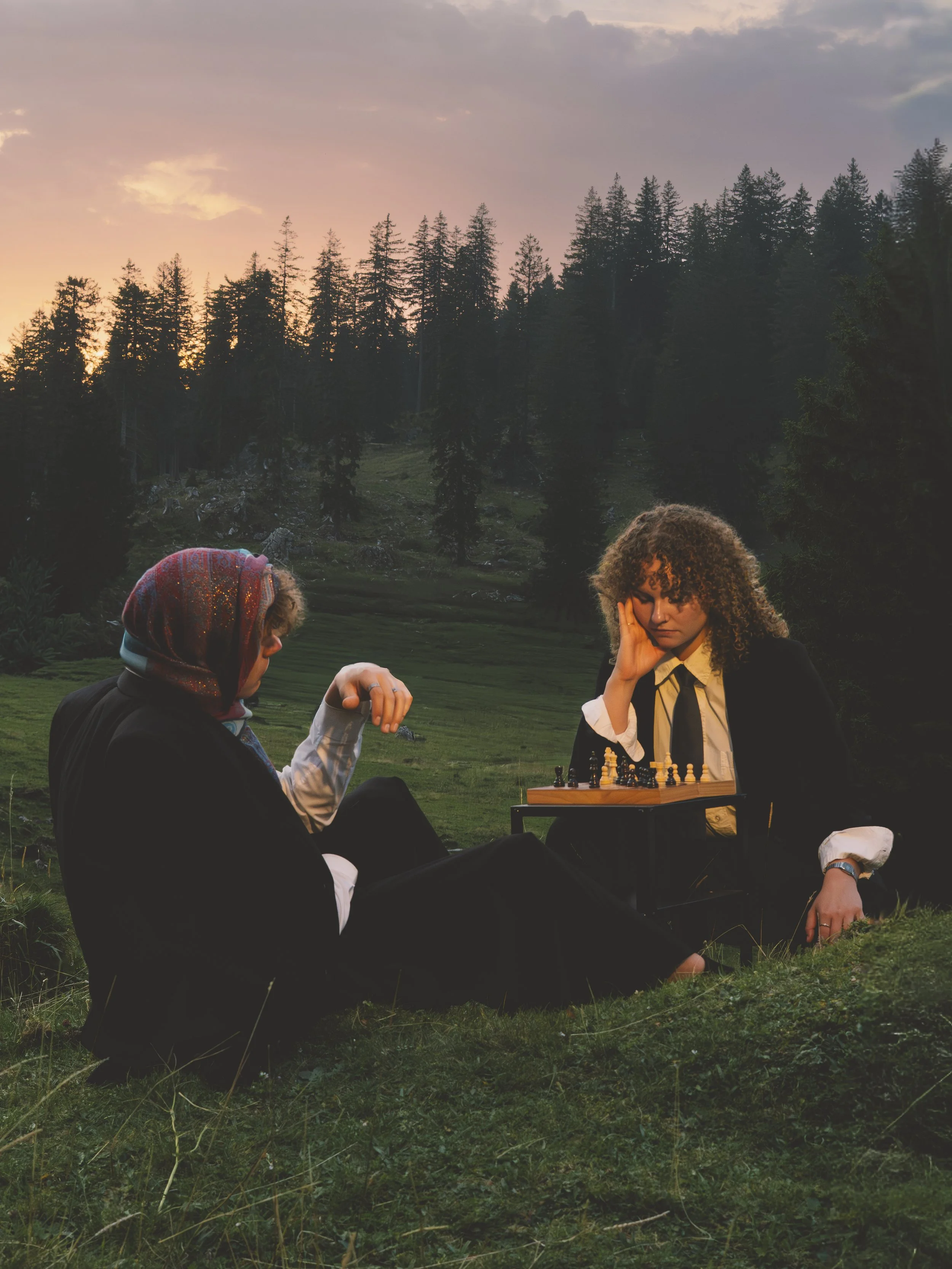
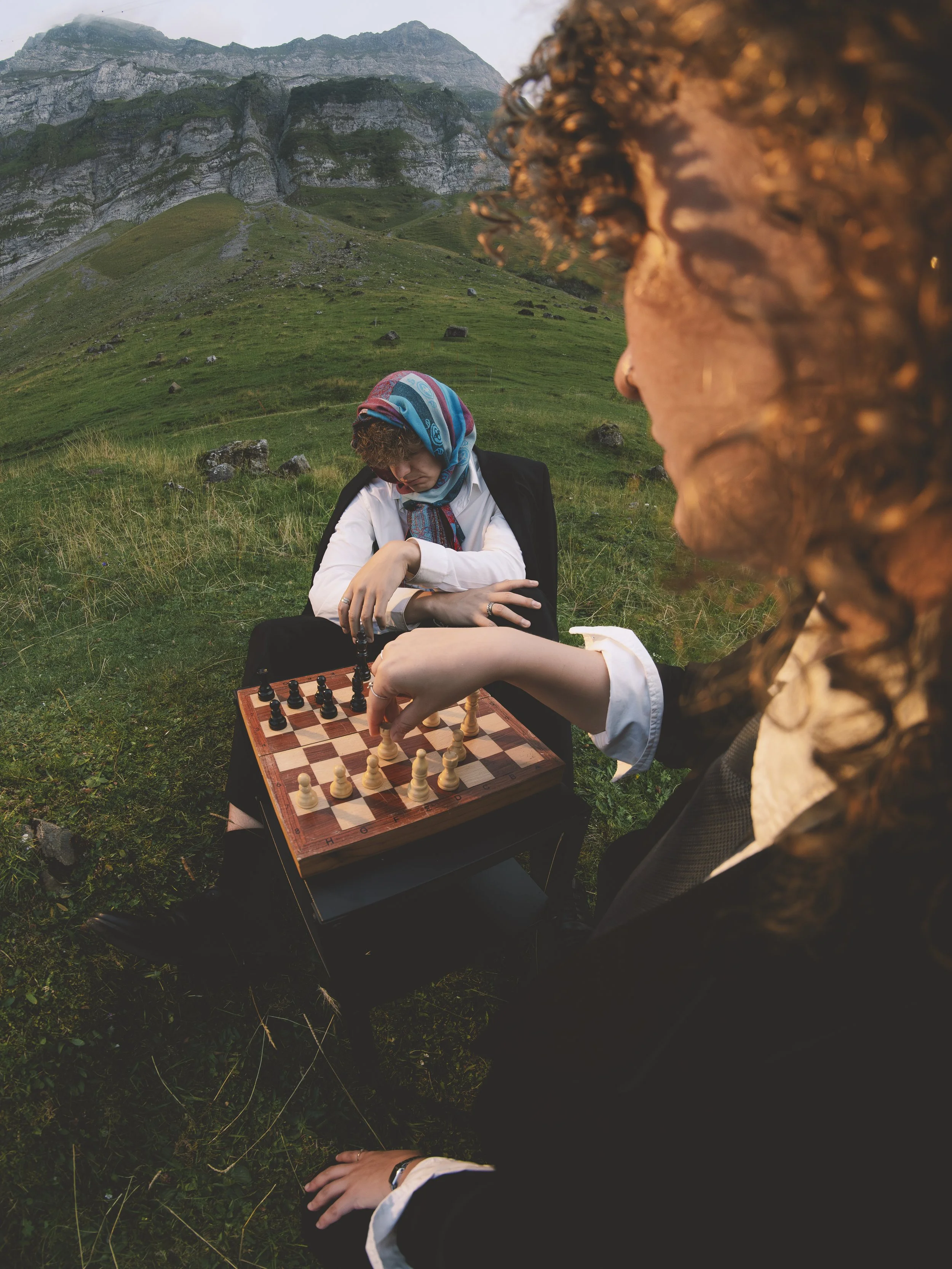
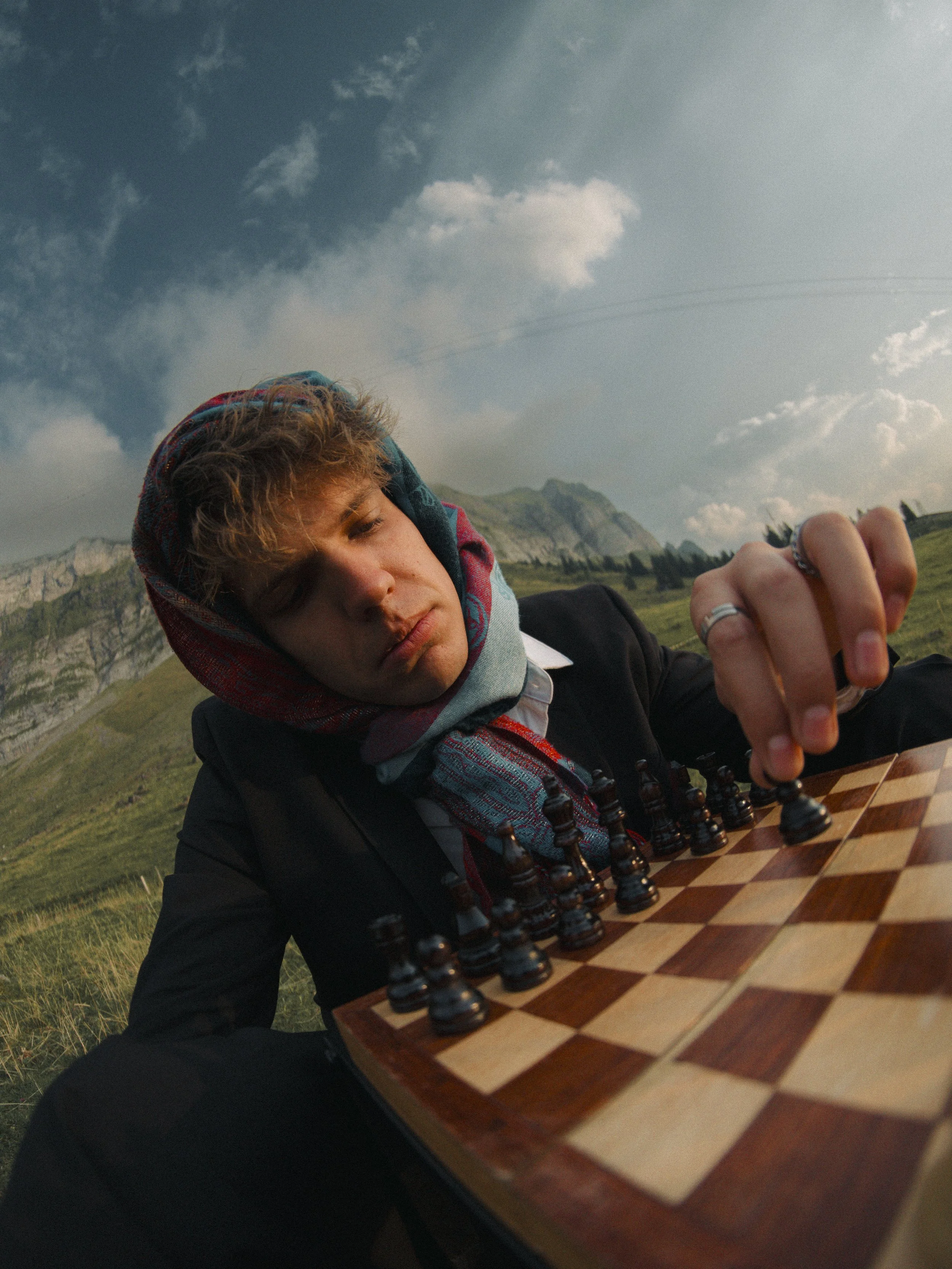
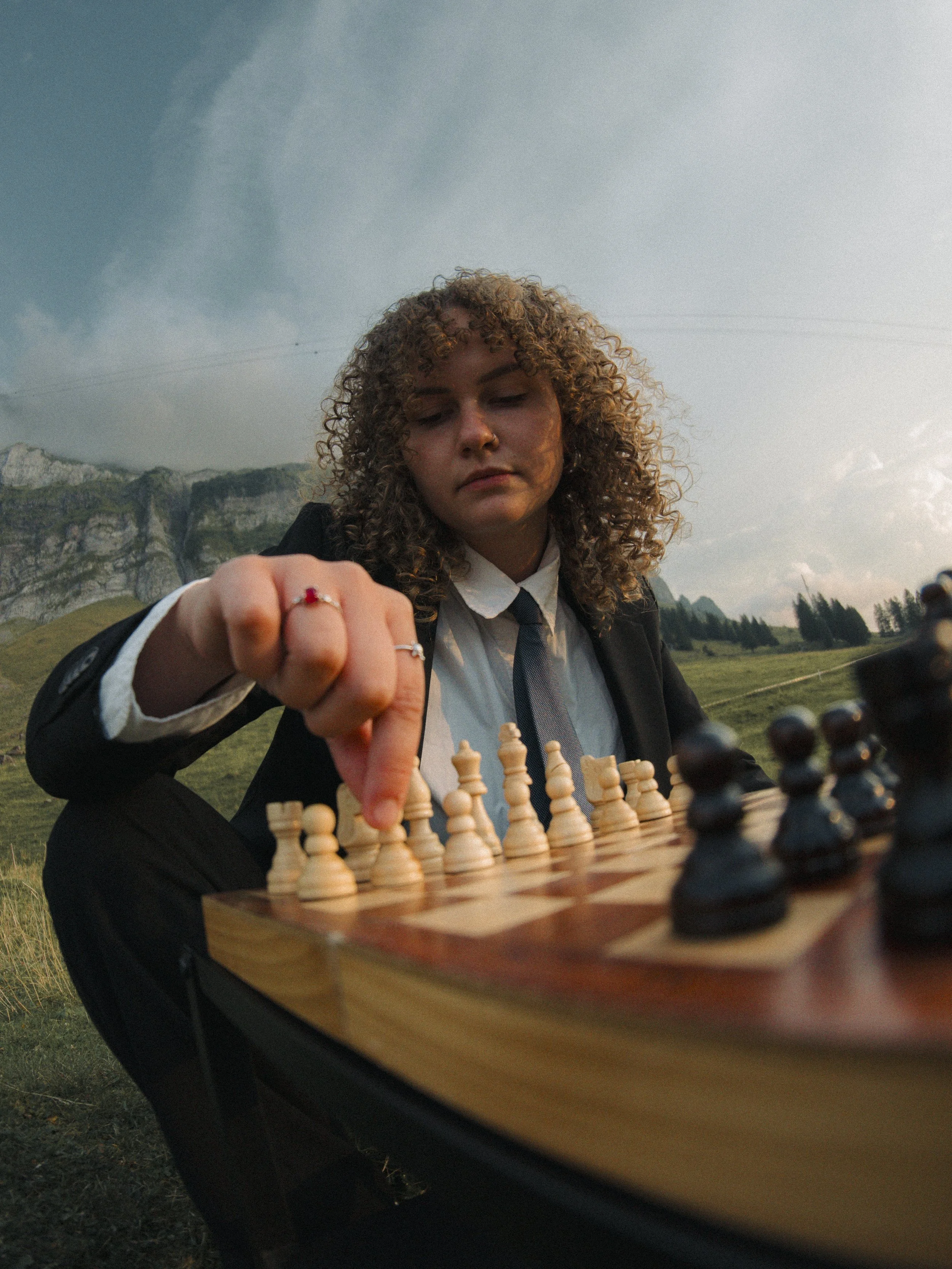
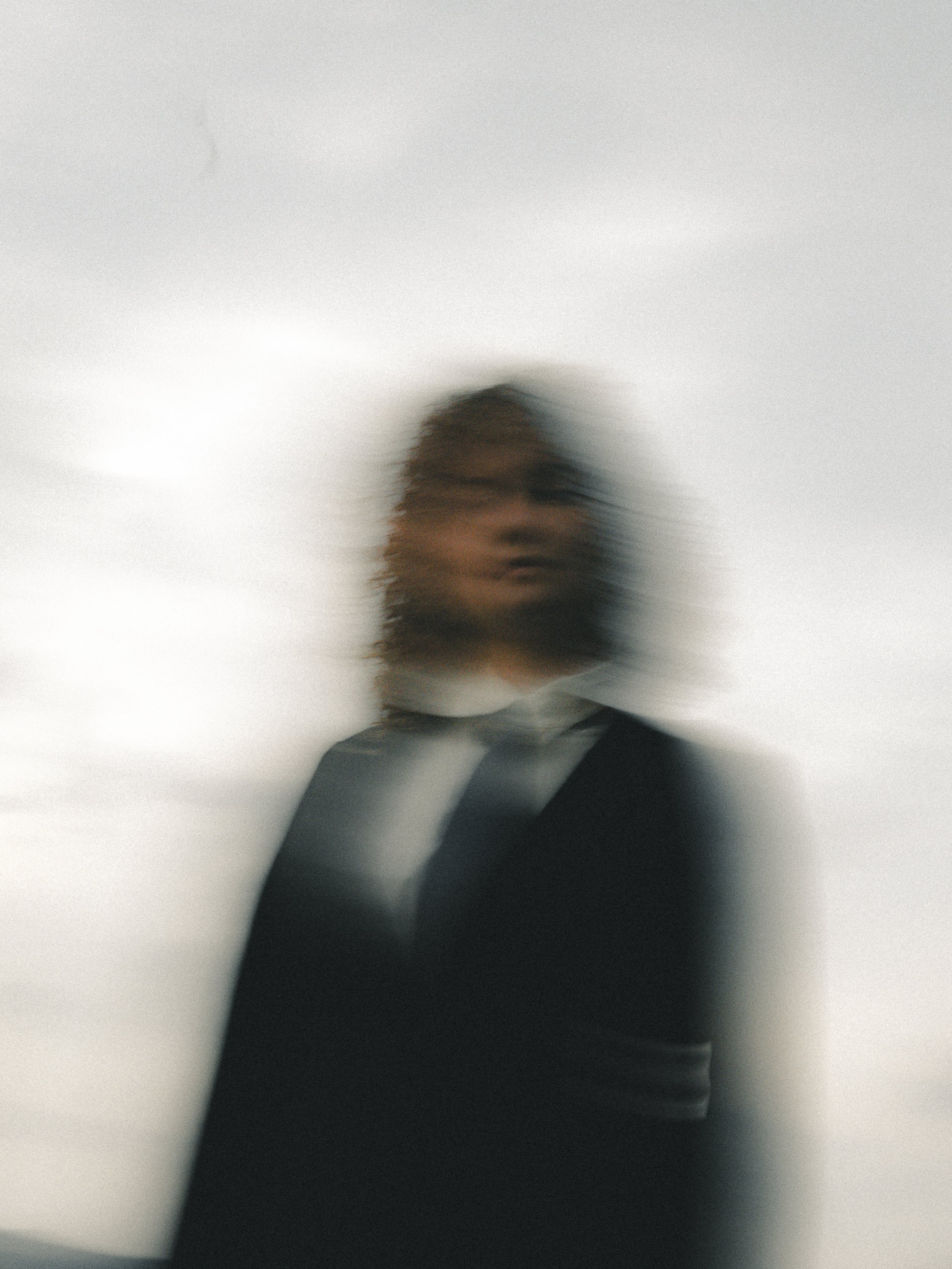
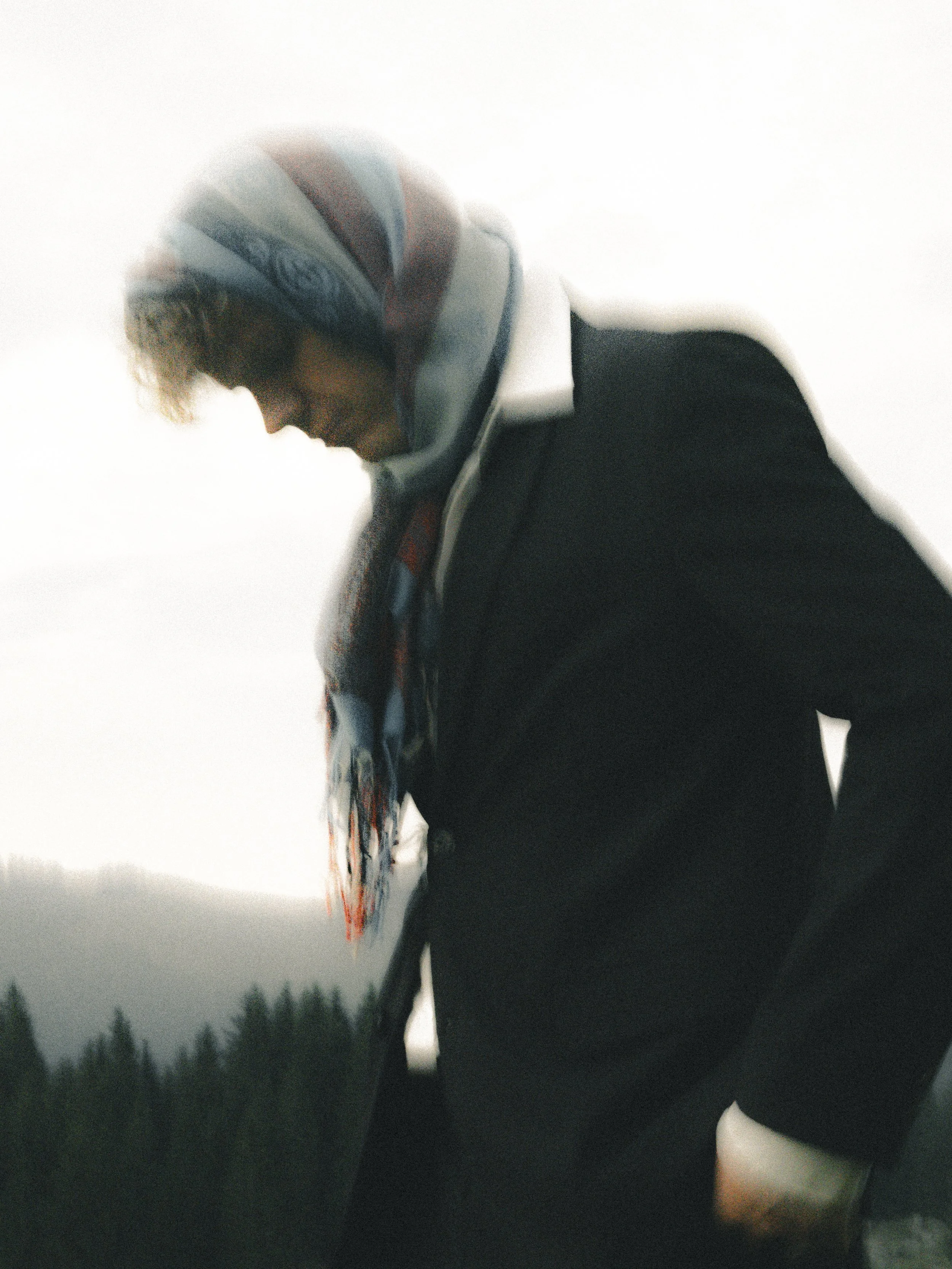
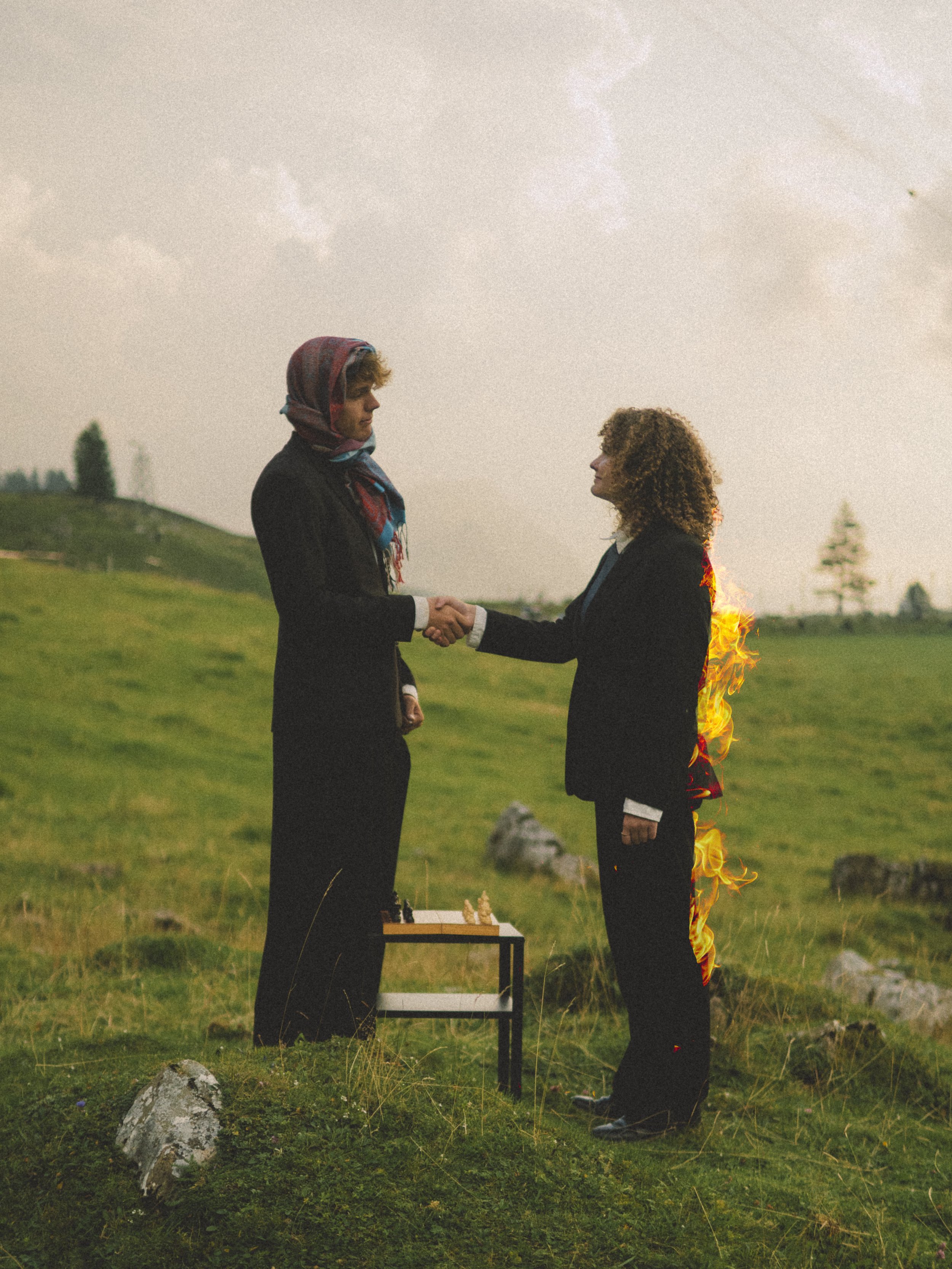
The chess series I submitted was inspired by Judit Polgár, the first woman to defeat Garry Kasparov — a moment in history that challenged power, gender, and expectation. I didn’t want to just recreate the event, but translate the feeling of it: strategy, tension, irony, and quiet rebellion. The two people in the photos aren’t models — they’re my friends. Maria has a strong presence and carries a kind of silent authority, while Patrick is someone who understands nuance and vulnerability. Their personalities shaped the images just as much as the concept did. I don’t sit down and “plan” collaborations. Ideas come from conversations — about equality, identity, life experience. I never look for inspiration in a forced way. Someone says something real, and suddenly I see a photograph. That’s how most of my work begins.
3. Walk us through a specific project that challenged your creative boundaries. How did you approach it, and what did you learn from the experience?
Editing is where I struggle the most, and also where I grow the most. I’ve had pictures that took me 8 to 20 hours just to get the colors right. There are moments where I want to quit — when nothing fits, when the image looks flat, when I feel like I ruined it. But I’ve learned to walk away, shut the laptop, and return the next day with a different mind. The photos that frustrate me the most often become the ones I’m proudest of. It’s delayed gratification — and that frustration is part of the beauty of creating something real.
4. In the ever-evolving art world, what do you believe sets your work apart and makes it unique or groundbreaking?
Not everyone connects with my work, and I’m okay with that. But the people who do connect, connect deeply — because nothing I make is rushed, algorithm-driven, or trend-conscious. I give every idea space to breathe. I shoot my friends, not strangers, because authenticity matters more than perfection. What sets my work apart is the intention behind it — I treat photography the way musicians treat albums: every image needs meaning, rhythm, and feeling. I want every photo to feel like a still from a film you haven’t watched yet, but already remember.
5. As you reflect on your journey, are there any specific goals or milestones you've set for your artistic career in the coming years?
My goal is simple: to never lose the love for this. I don’t want speed, I want longevity. I want to keep evolving, keep pushing myself, and become the best photographer I’m capable of being — not for validation, but as proof to myself. I dream of exhibiting my work across cities like a musician touring with an album: Vienna, Prague, Zurich, wherever the images belong. If I can keep creating from a place of honesty and patience, I know the rest will follow.
-
This series reimagines Judit Polgár’s historic 2002 victory over Garry Kasparov, staged not in a tournament hall but on a mountain peak. The match becomes a metaphor for struggle, ascent, and transformation — the king’s fall mirrored in silence, the queen’s rise echoed in stone and sky. Through fire, blur, and landscape, the images capture a moment where history shifted and power was carved in checkmate.
-
Photographer: Jabi Jekeil Kanagasabai
Model: Maria Magdalena Cuciurean
Model: Patrik René Rosenkranz