

Photographer/Creative Director: Graziano Bruni

1. What significant life experiences or events have influenced and shaped your artistic vision?
I grew up in Italy in an unconventional family. We traveled a lot for my dad’s job, and it was hard to feel at home in places we only lived in for short stretches. Because we moved so often, I learned to find familiar things in unfamiliar places. In each new country, I looked for what felt like home: scents, colors, street corners, just something that would resemble my former life back in Italy. Finding those things made new places manageable.
When I moved to New York in my early twenties, I realized that everyone around me came from different parts of the world, but they had somehow made a home in a city that, by its nature, is constantly changing and can feel unwelcoming to someone like me, so attached to my surroundings. Over time, I became comfortable with what was unique to each person or neighborhood, not only with what felt familiar, and that was reflected in the type of art I was drawn to.
That’s what inspires me in my photography: I love unique details that make a person or place itself, just a little more elevated, set inside everyday environments. Or, conversely, unique places that contain a certain dose of familiarity, like somewhere magical that isn’t so out of reach.
2. Collaboration often sparks fresh creativity. Can you share an example of a collaboration that led to an unexpected and exciting artistic outcome?
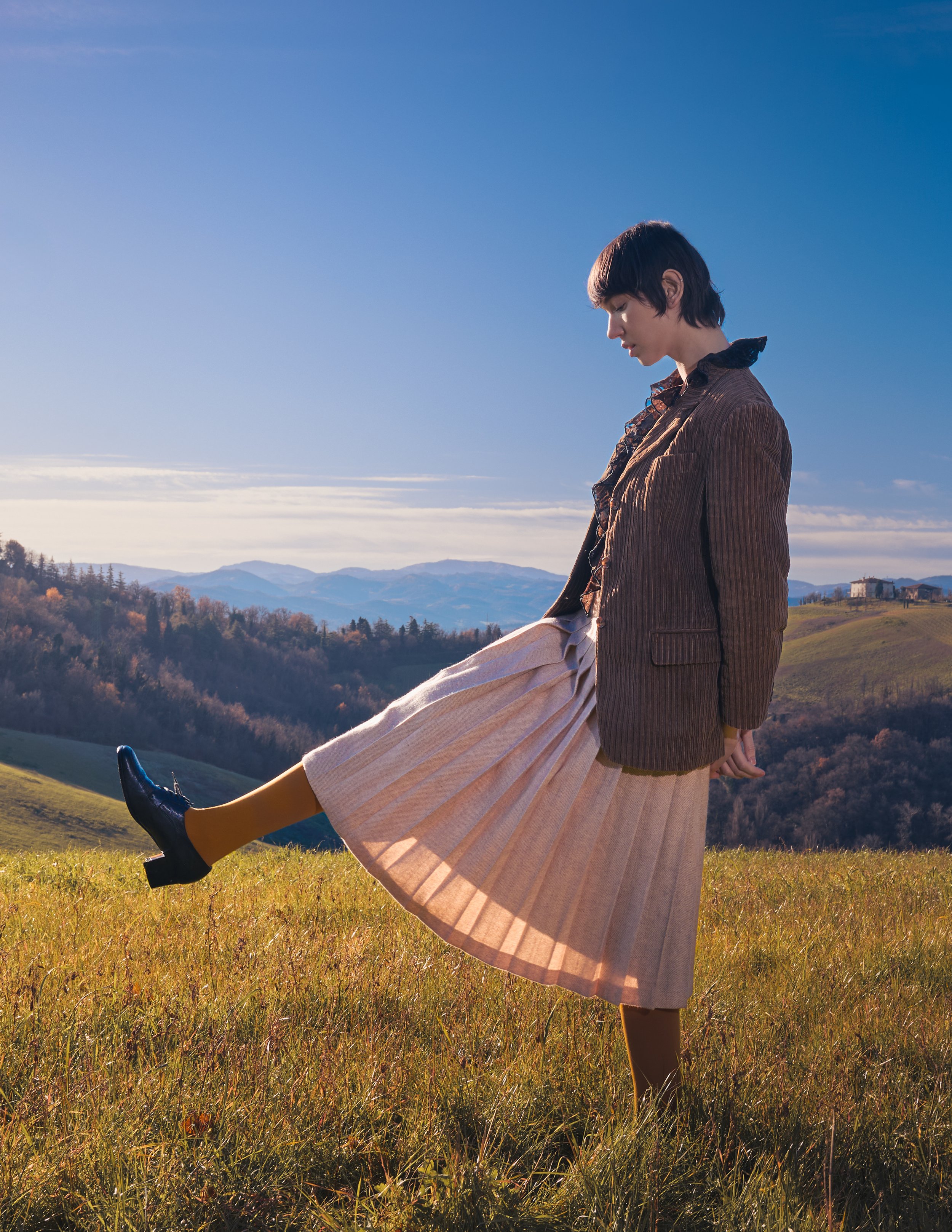
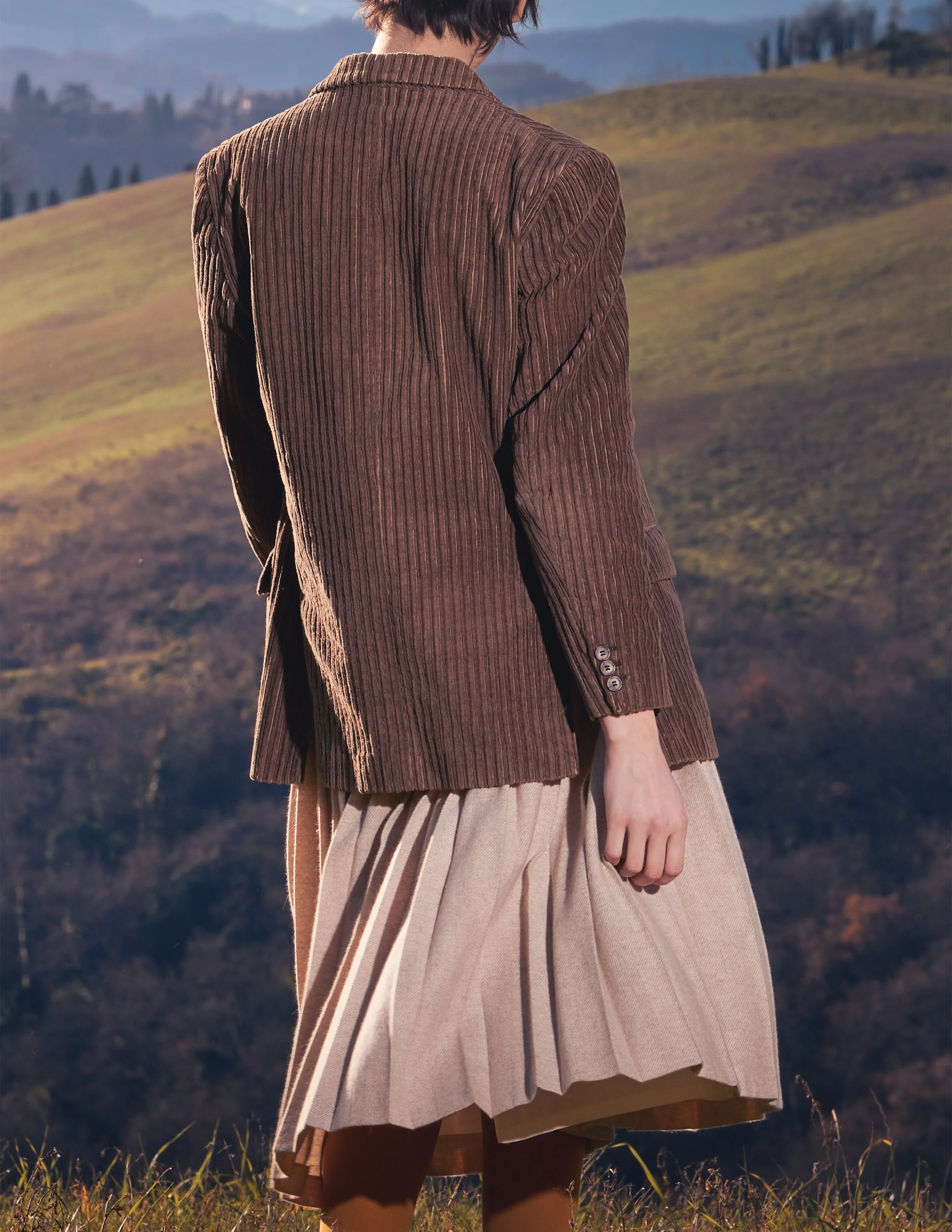
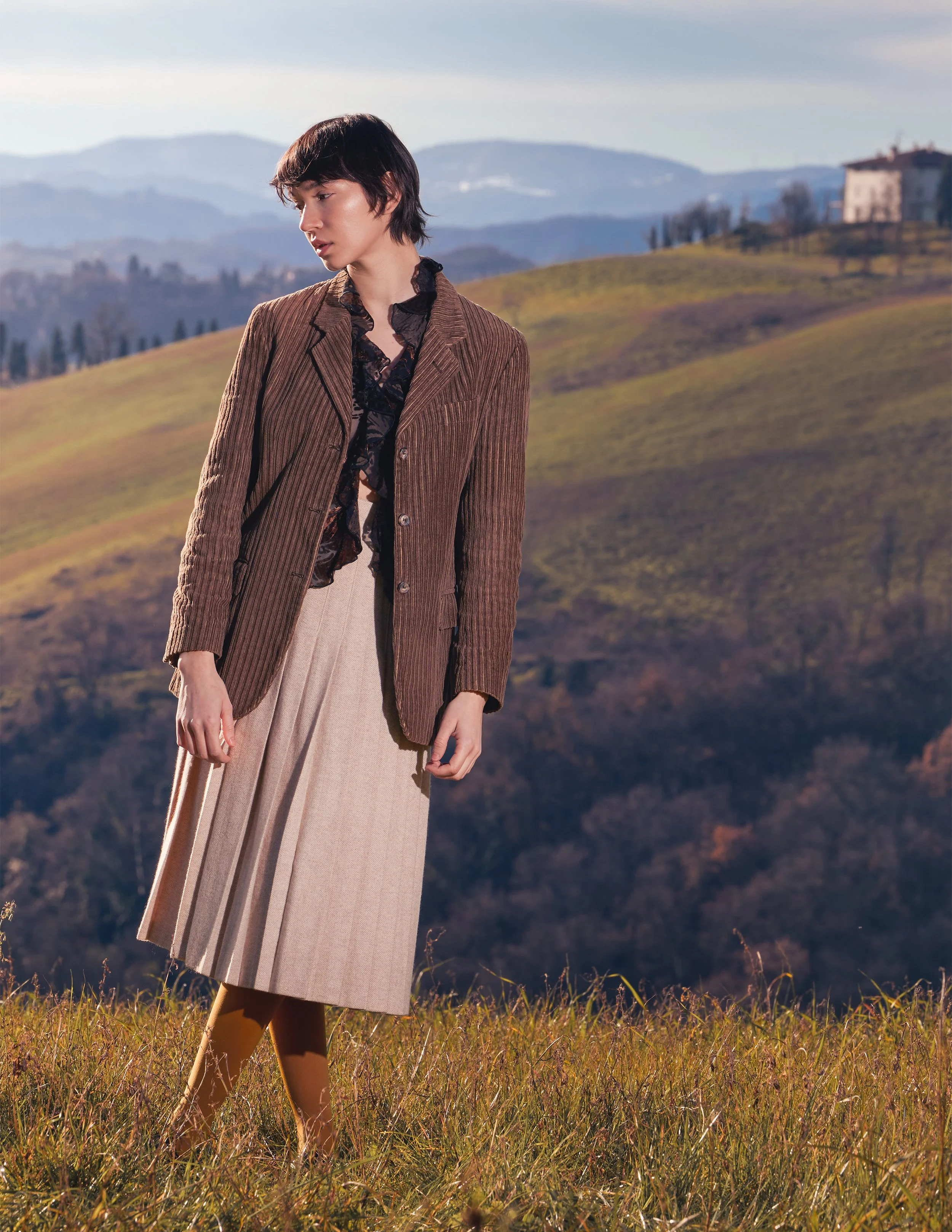
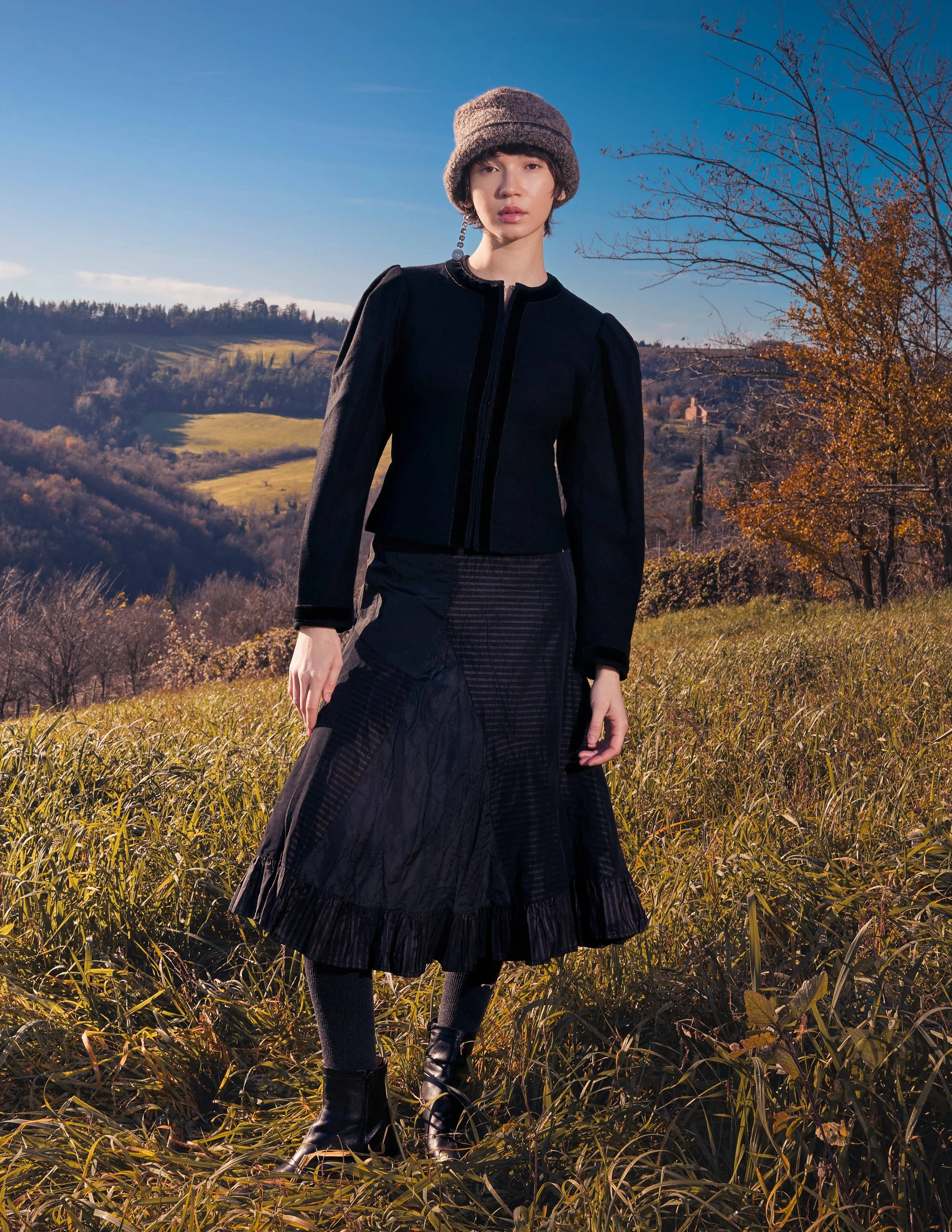
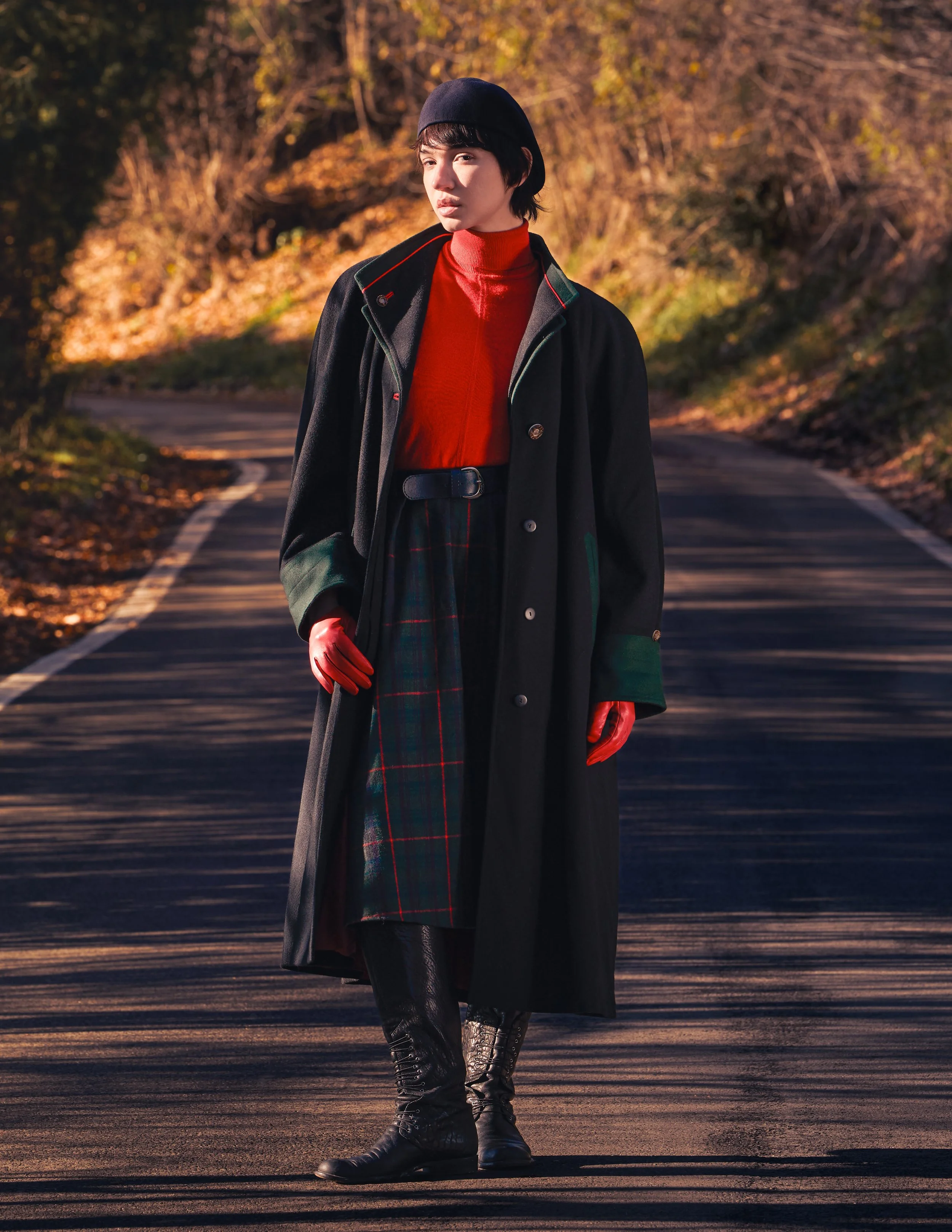
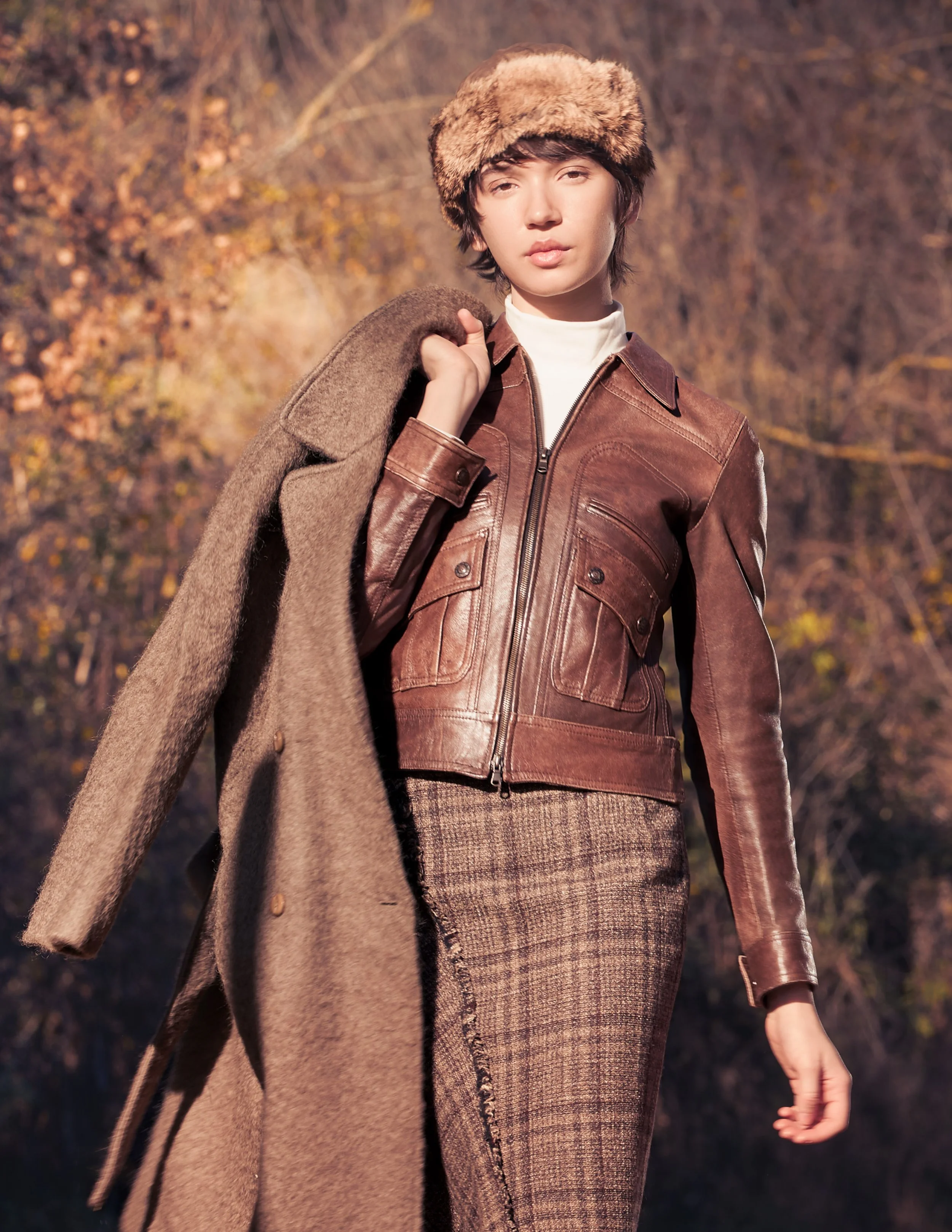
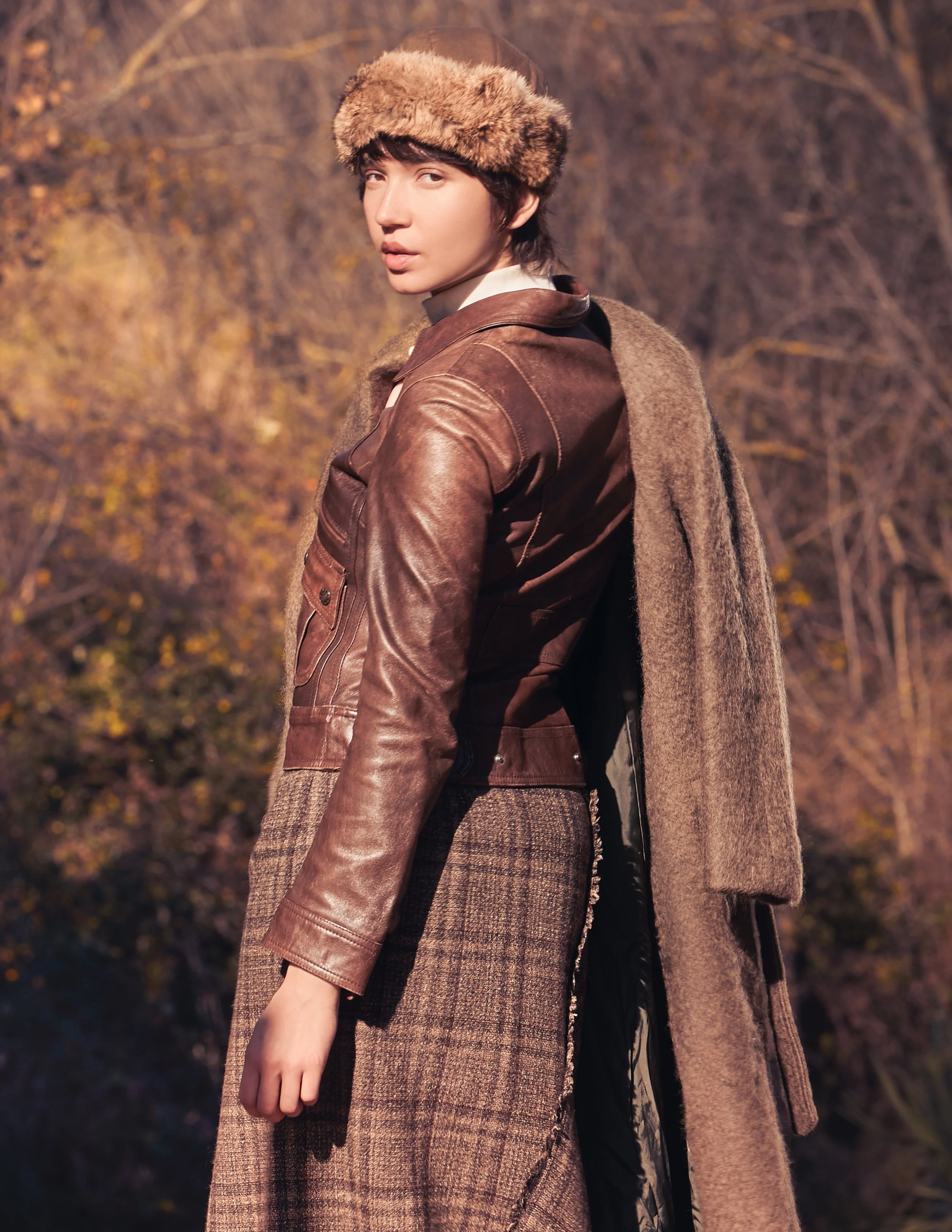
A couple of years ago my partner and I were walking around Bologna, my hometown, and we wandered into a small vintage shop called Infernotto. My partner started talking with the owner about the neighborhood and the pieces in the store. We were blown away by the brands she carried and ended up spending a whole afternoon playing dress-up. We went back a couple more times, and the conversations morphed into a potential collaboration.
On the third visit we asked if they’d be open to letting us borrow a few items for our shoot idea. The plan was simple: photograph a small selection of pieces in the places where I spent a lot of my childhood, riding my white Vespa and looking over the hills and farmhouses on the outskirts of Bologna. We wanted to keep the mood nostalgic and playful at the same time, and we had to pick the perfect time of day because the light and weather change quickly at that elevation.
What made it exciting was how the collaboration connected personal memories with these amazing vintage pieces. The shoot became about how a few great items fit together and how the environment helped tell the story.
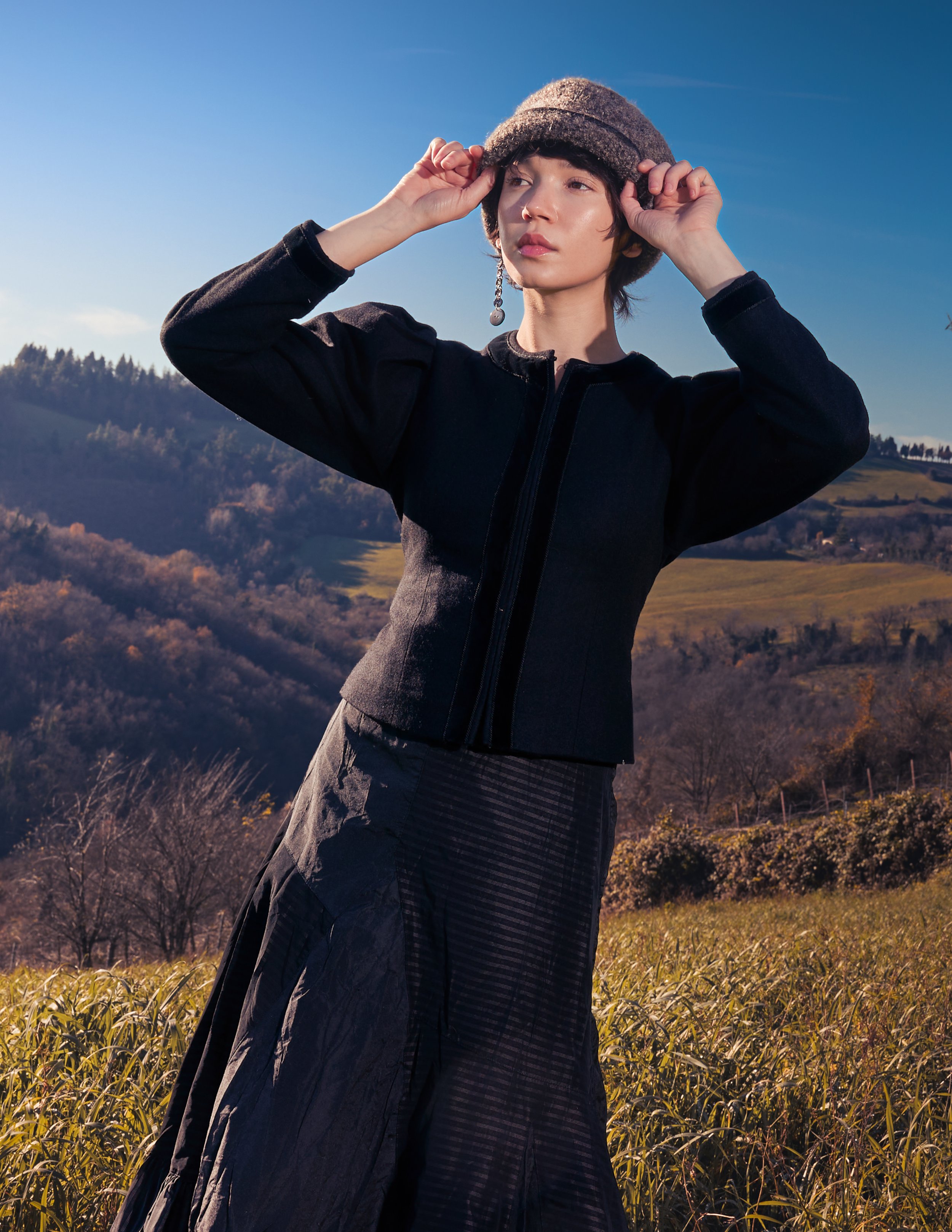
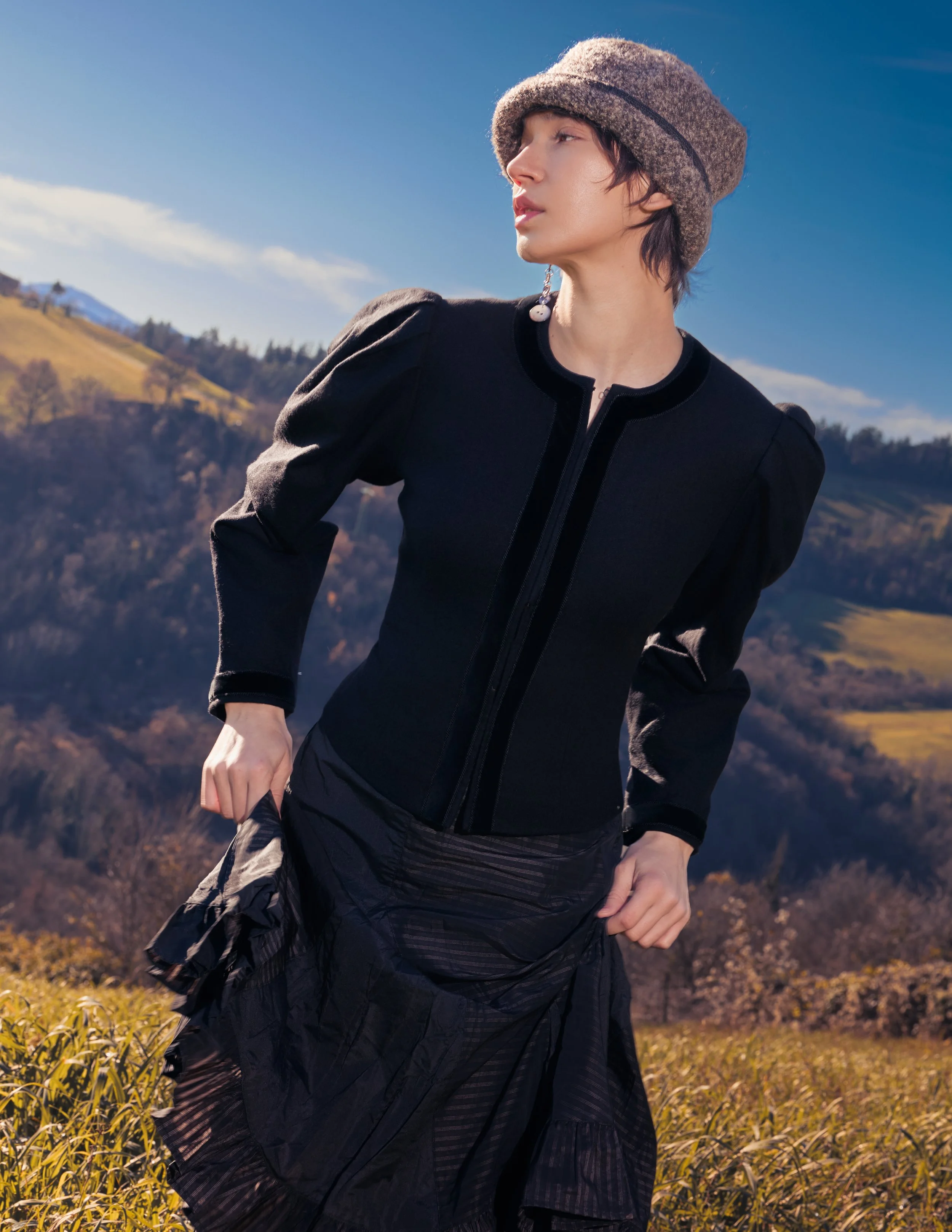
The final images are very close to what was there on location: minimal light used just for fill; the sun low in the sky providing key and sometimes backlight; warm tones; and a quiet, stunning setting.
3. Walk us through a specific project that challenged your creative boundaries. How did you approach it, and what did you learn from the experience?
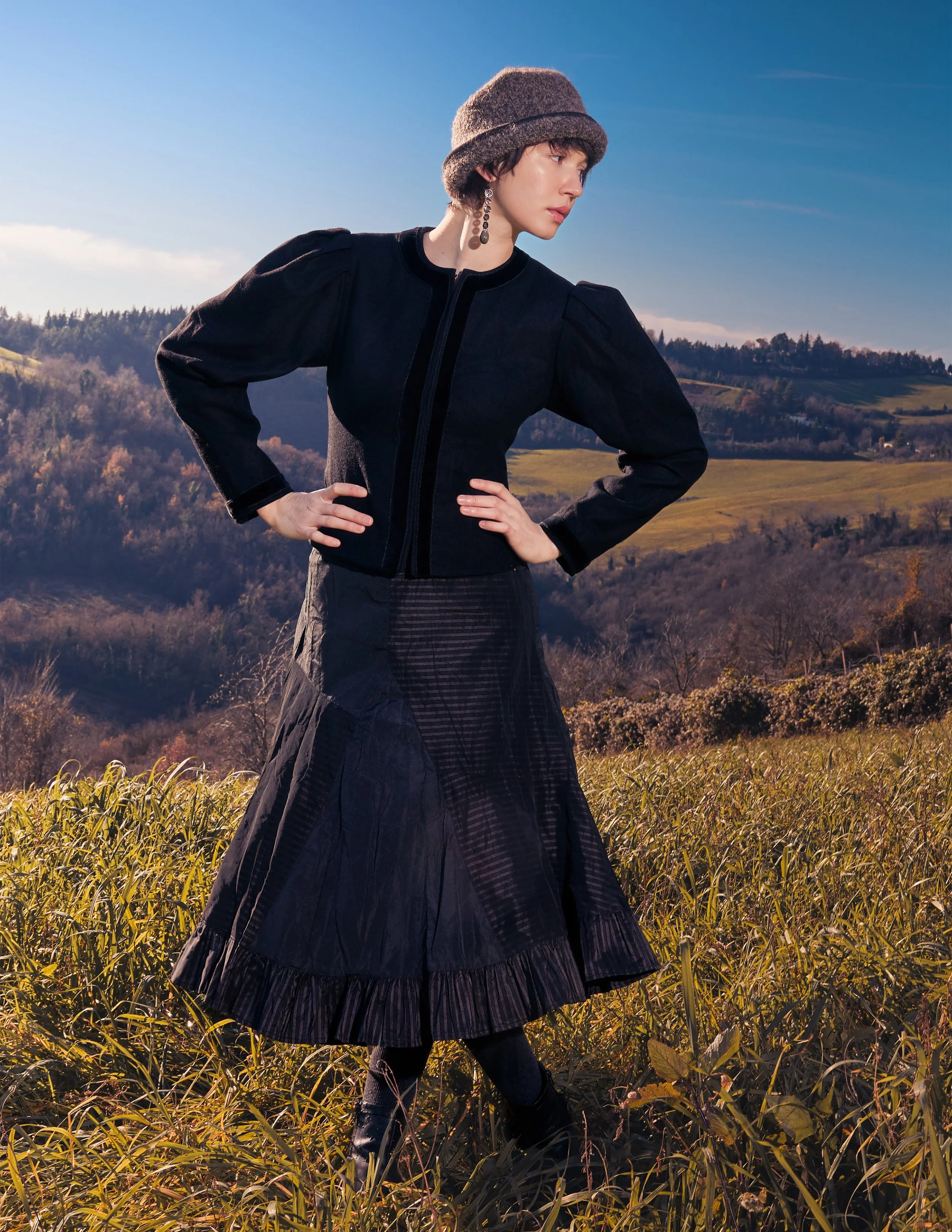
We were in Dubai for a wedding and decided to use the trip to test an idea. We did some research and ended up connecting with a UK-based model who was also there for work, while a couple of local brands offered to lend pieces. It came together quickly: one day of prep, one full shoot day in the desert. If you haven’t had the chance to shoot in the high desert, it’s an experience like no other. It does pose a lot of challenges, which are hard to foresee all at once if you’ve only shot in studio or urban environments. The heat, wind, and sand getting into every nook and cranny are all hard to deal with without a full crew, not to mention our fill light constantly overheating. On the creative side, the challenge was to make the models (our UK friend and my partner, Francesca) and the clothes stand out without fighting the location.
Needless to say, we had to adjust to a much simpler setup than we had planned. Because changing lenses and constantly opening the camera bag were risky (spoiler: we ended up bringing home sand anyway), I relied heavily on my wider lens, which meant leaning into backlighting for better subject separation. To help the clothes stand out, we used spacing and the chiaroscuro lines in the sand.
In the end, experiences like this teach you that sometimes you have to adjust, and no amount of planning can replace your instincts as an artist. And sometimes you might just end up with a better result.
4. In the ever-evolving art world, what do you believe sets your work apart and makes it unique or groundbreaking?
I don’t see what I do as groundbreaking. I think trying to do something I’m proud of, work that represents my taste, makes it unique by definition. You could say that sticking to what you bring to the table as a photographer and following your personal style is groundbreaking, as a lot of what’s out there is recycled ideas (and not in the good “good artists copy, great artists steal” kind of way) that create visual echoes further and further from the original.
There’s always work I see that makes me say, “I wish I did that,” and then I try to recreate it and end up tweaking it so much that it looks like something I would shoot. So in a way, I’m destined to do my own thing even when I don’t want to.
My philosophy is simple on purpose: the location goes first; the subjects are the focal point; and I try to balance the two so the focal point, while obvious, isn’t in your face. I think that balance keeps the viewer more engaged and makes the eye wander to different parts of the image, its secondary and tertiary characters, which, in location photography, are often the tiny details the setting provides.
5. As you reflect on your journey, are there any specific goals or milestones you've set for your artistic career in the coming years?
The first thing I want is to keep traveling with my partner and create images in the amazing places we plan to visit.
I’ll keep dabbling in video work as well. Photography and video are very different in their storytelling approaches, and I’d like to expand more in that territory. Maybe I’ll combine the two at some point if I can push a client in that direction or find a great collaborator.
I’ll keep building the editorial body of work and, hopefully, make large prints of my best images for a small exhibit in New York. There’s something about a physical medium that’s superior to a digital representation.
On the more philosophical side, I’m focused on understanding my place as an artist. We now live in a world where the barrier between thinking and doing is becoming smaller and smaller, which can lead to laziness and the same ideas being repurposed. All great work needs friction, a challenge to push against, and the difficulty will likely be finding deliberate ways to become better and more creative, rather than just keeping up a certain artistic output.
-
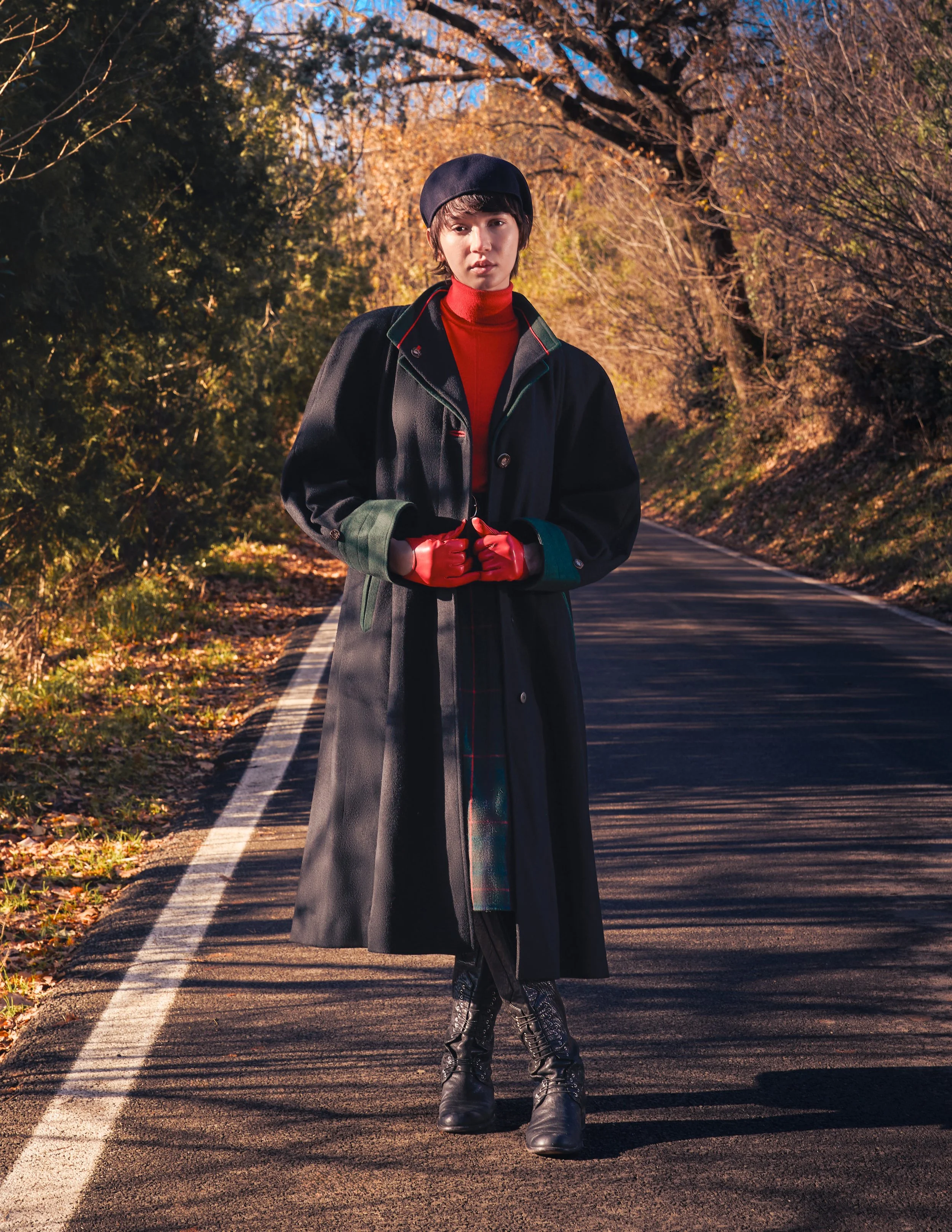
Shot in the hills of Bologna, Italy, where I used to sneak off when I first started driving. Taking my Vespa up toward San Luca just to clear my head, finding parties in places I probably shouldn’t have been, kissing for the first time.
Coming back here with my partner Francesca felt full circle. Everything how I remembered it, just a little more nostalgic. We worked with local vintage shop Infernotto Boutique to bring these looks together, with the idea of representing visually these childhood memories and give shape to what first made me love this place.
-
Wardrobe Stylist/Creative Director/Model: Frankie Cavalcanti
Photographer/Creative Director: Graziano Bruni
-
Boots: Prada
Coat: Distler
Coat: Zani lei
Gloves: Unlined Italian Leather Gloves
Hat: Giesswein
Hat: Vintage real fur trapper hat
Hat: Vivienne Westwood Black Beret
Jacket: Ter Et Bantine
Leather Jacket: Phard
Pieces provided by Infernotto Vintage Boutique
Shirt: Berftatte Beurle (Vintage Austrian)
Shirt: Evan Picone
Shirt: Stylist Owned
Shirt: Tailor Italian Turtleneck
Shoes: Giuseppe Zanotti x Thakoon
Shoes: Lady Confort
Shoes: Melluso
Skirt: Arpafer
Skirt: Blugaya
Skirt: iBlues
Skirt: Modanuova
Stockings: Calzedonia