

Becoming Sky
Wardrobe Stylist/Creative Director/Makeup Artist/Retoucher/Diy Clothes/Photographer: Teresa Smeke
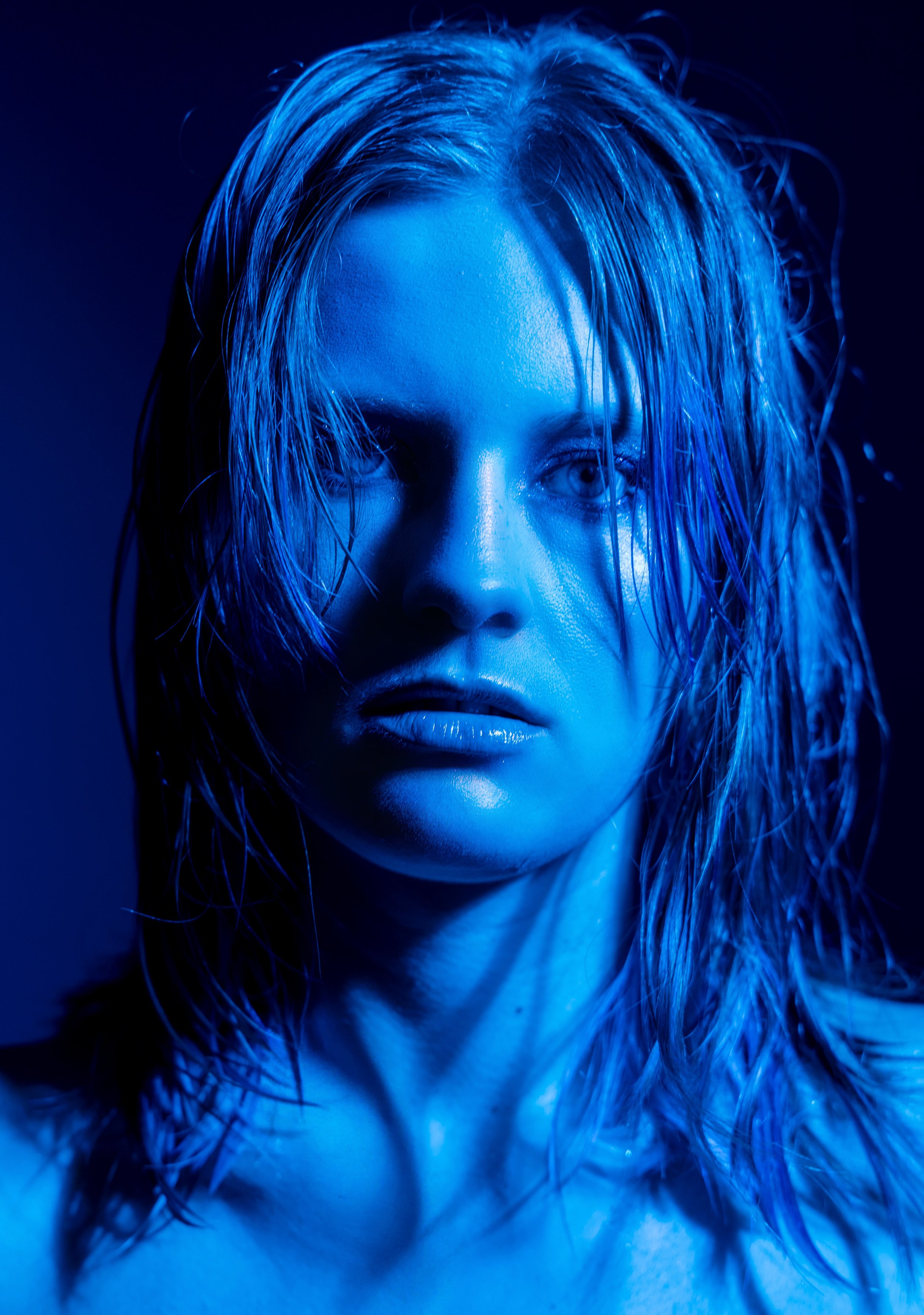
1. This body of work explores the idea of “becoming” rather than the finished character. As a creative director, how do you convey the idea of transformation through your visuals without imposing a story on your subject?
What interested me from the beginning was the uncertainty that exists when an artist is just starting out. When you ask questions like ‘What is your style?’ or ‘How do you want to be perceived?’, the answers are often not fully formed yet. There is confusion, exploration, and trial and error.
Instead of imposing a fixed narrative, I allowed that process to guide the visuals. This body of work comes from months of getting to know her, listening to her concerns, her references, and how she wanted to be remembered as an artist. The transformation you see is not constructed in a single moment, but developed gradually through dialogue and experimentation.
So rather than presenting a finished character, the images document identity in motion.
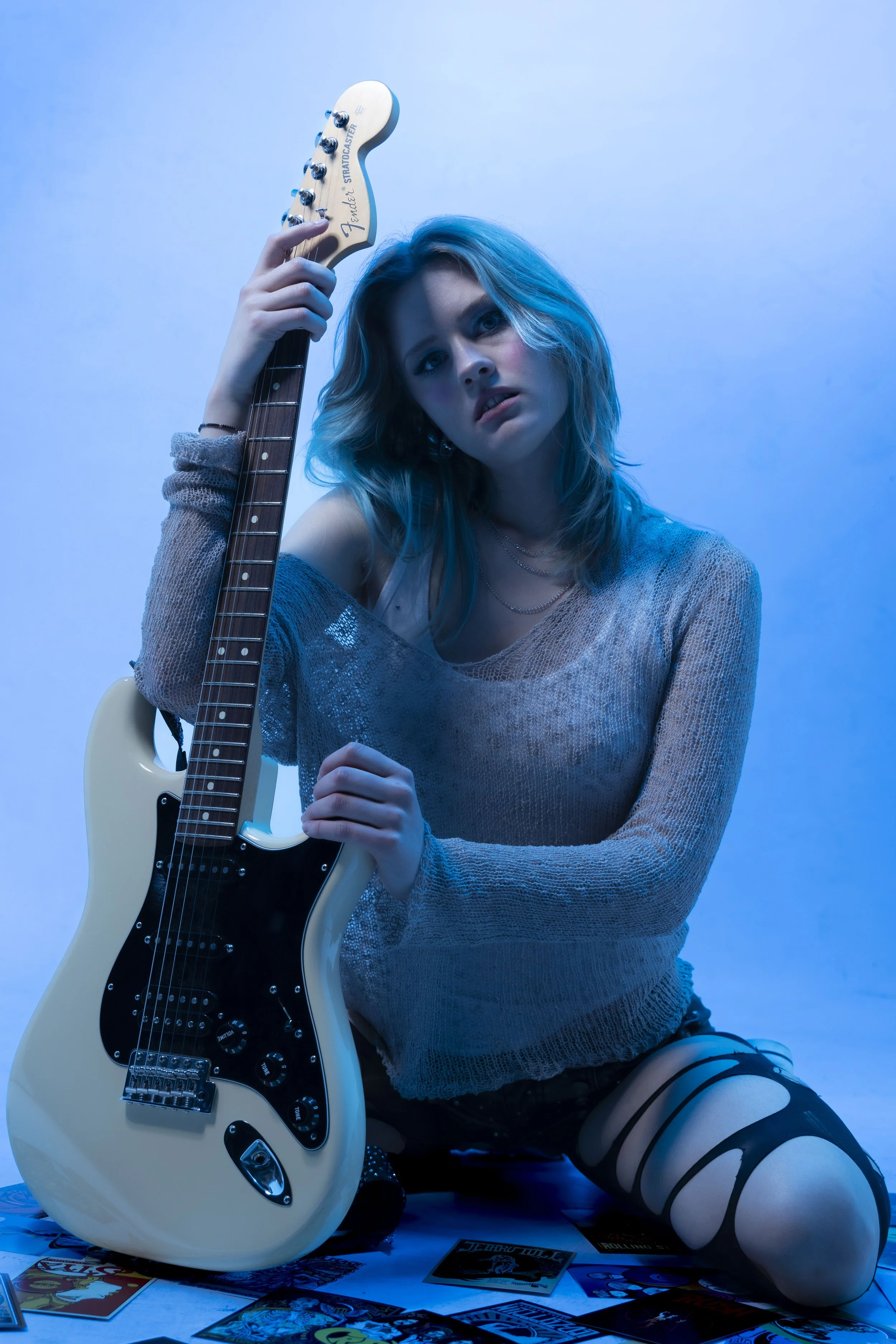
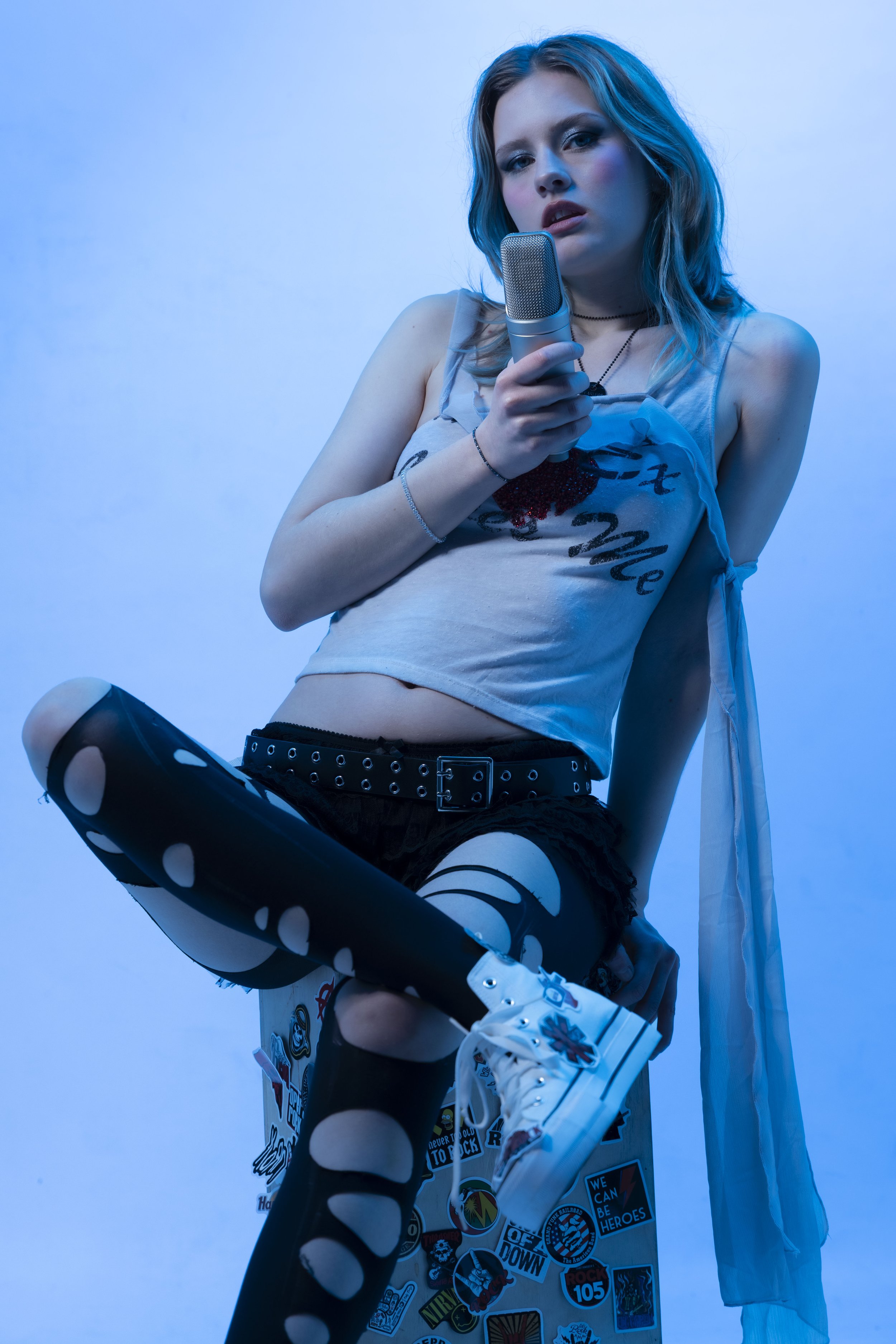
2. You chose to emphasize the artist's vulnerability, rehearsal, and uncertainty, which are often the parts of the story that get cut in the industry. What led you to believe that these were the most important parts of the story to keep?
Because that vulnerability was intentional.
She didn’t want to be presented as a perfect, untouchable figure. She wanted to be relatable. Someone who goes through heartbreak, uncertainty, and emotional shifts like anyone else, while still existing as an artist and a star. Also, in today's society, people like to watch BTS, the drama and gossip. Keeping this was also a strategic decision for her growth on socials.
In the industry, those in-between moments are usually removed in favor of a polished final image. But here, keeping BTS, hesitation, and emotional softness felt more honest to her identity. It reflects the reality that artists are still human.
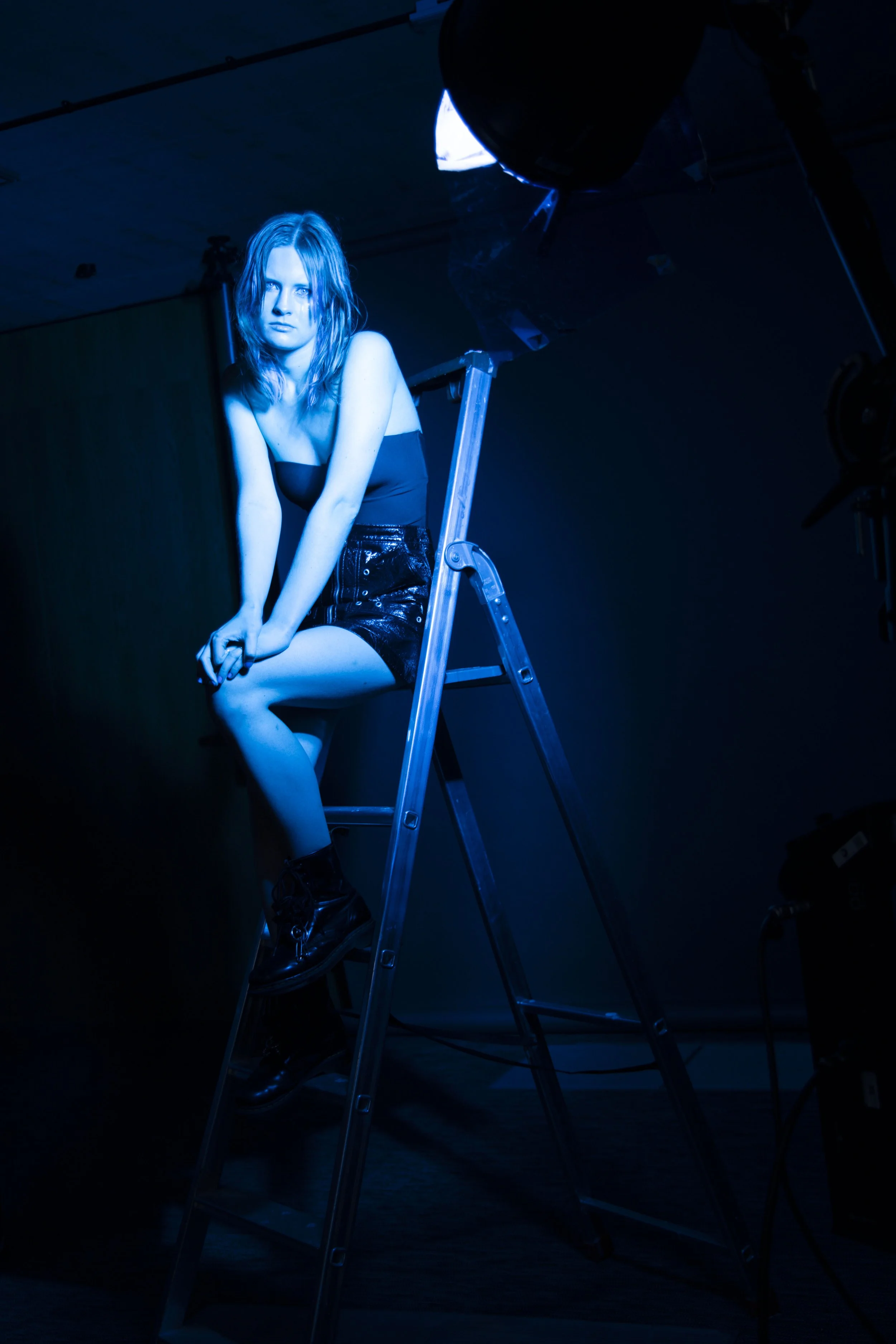
3. As a creative director working with a new artist, how do you ensure you bring your own artistic vision to the project while maintaining the artist's authenticity, who is still discovering who they are?
For me, it’s a very collaborative process.
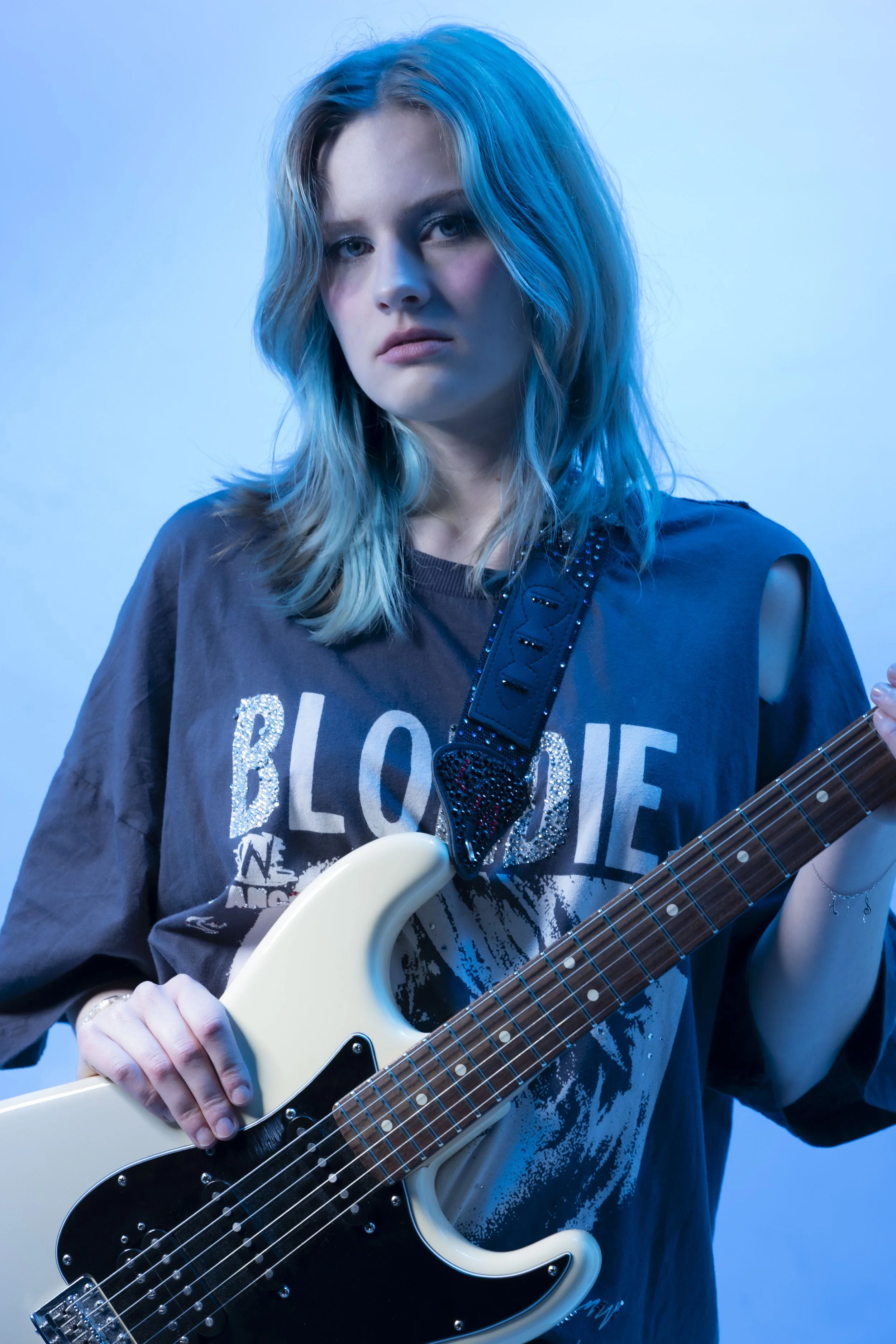
I bring my visual language through lighting, composition, styling, and symbolism, but I don’t impose a rigid character, especially when the artist is still discovering who they are and what they want to become. I listen carefully to how they see themselves and how they want others to connect with them.
In this case, her desire to be seen as imperfect and emotionally relatable shaped many creative decisions. My role was not to overwrite that, but to translate it visually. My vision frames the space, but the authenticity always comes from the artist’s own intentions and emotional direction.
4. The editorial is a space that is between performance and reality. What was the visual language that you used to convey that space?
The visual language was intentionally built around that middle ground.
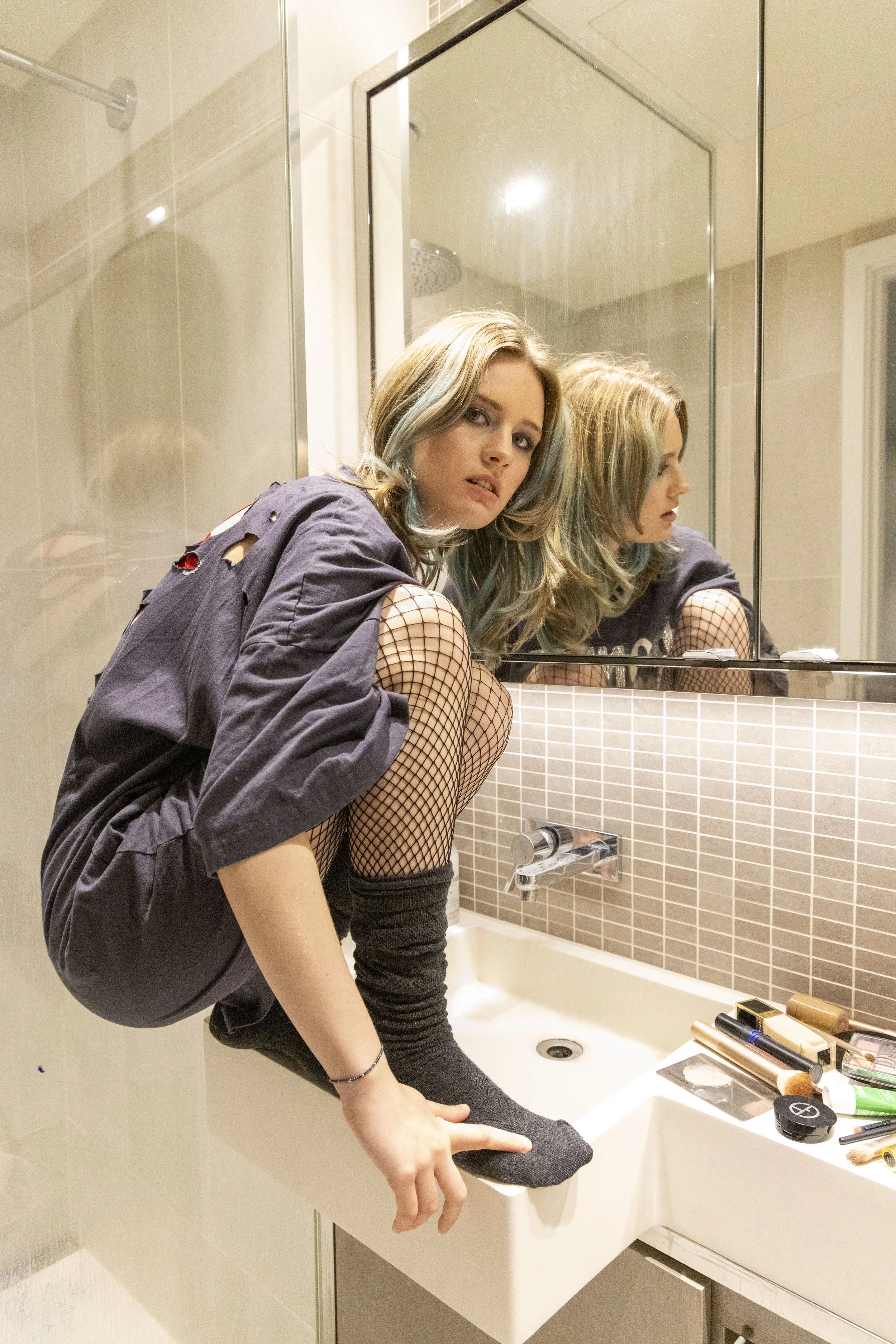
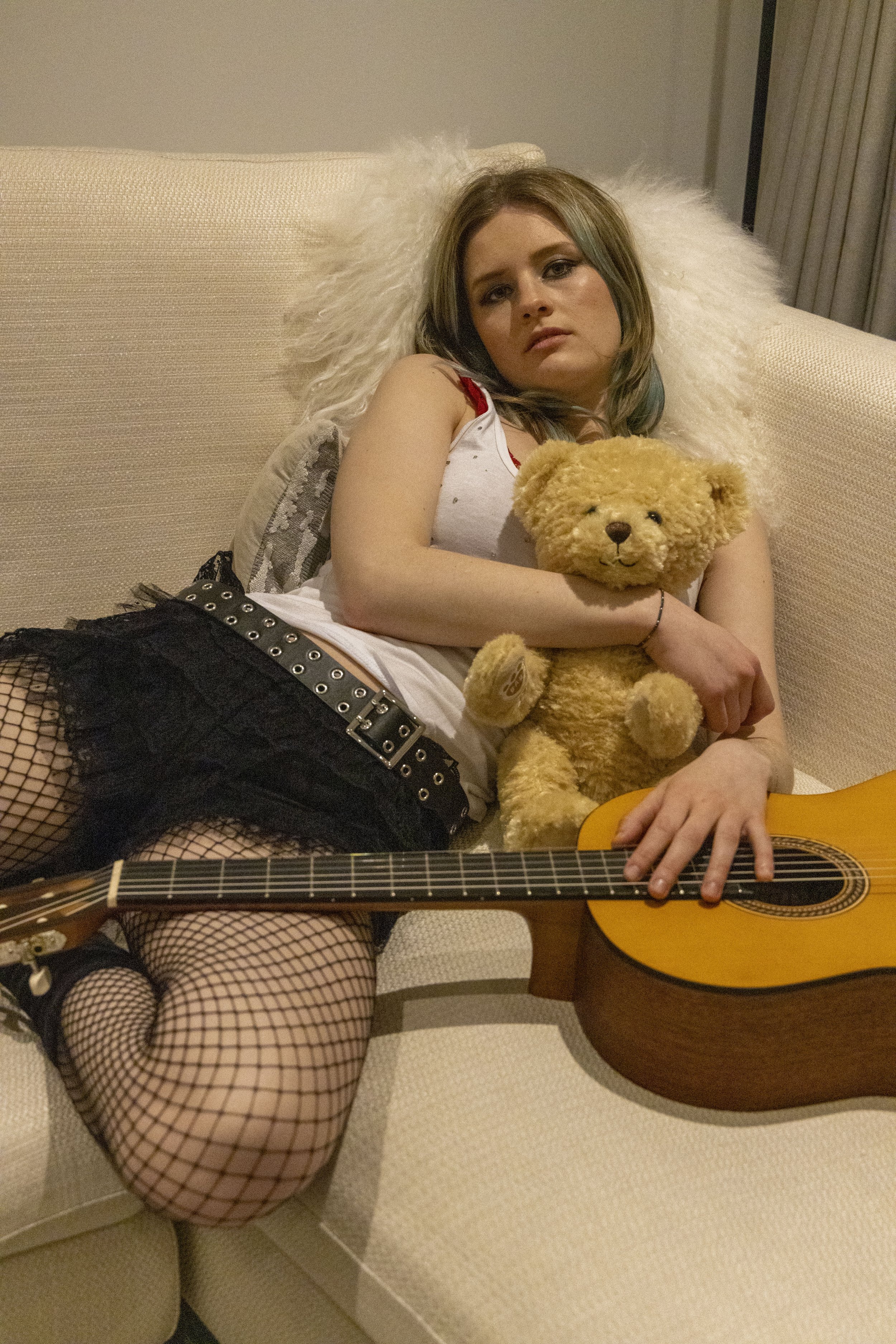
She is still a star, but also someone who experiences very human emotions like heartbreak and uncertainty. So the imagery exists between intimacy and performance. The lighting, especially the symbolic tones, suggests a stage presence, while the gestures and environments feel more personal and introspective.
Styling and framing were kept slightly restrained rather than overly theatrical. I wanted her to still feel like herself and not completely remove her authenticity. This creates a liminal space where she is neither fully performing nor completely off-stage, but existing in that transitional identity.
5. In an industry that is often driven by the need for marketable images, were there any challenges to making the story more polished and conventional, and how did you overcome them?
There is always pressure to present artists as fully polished and market-ready from the start.
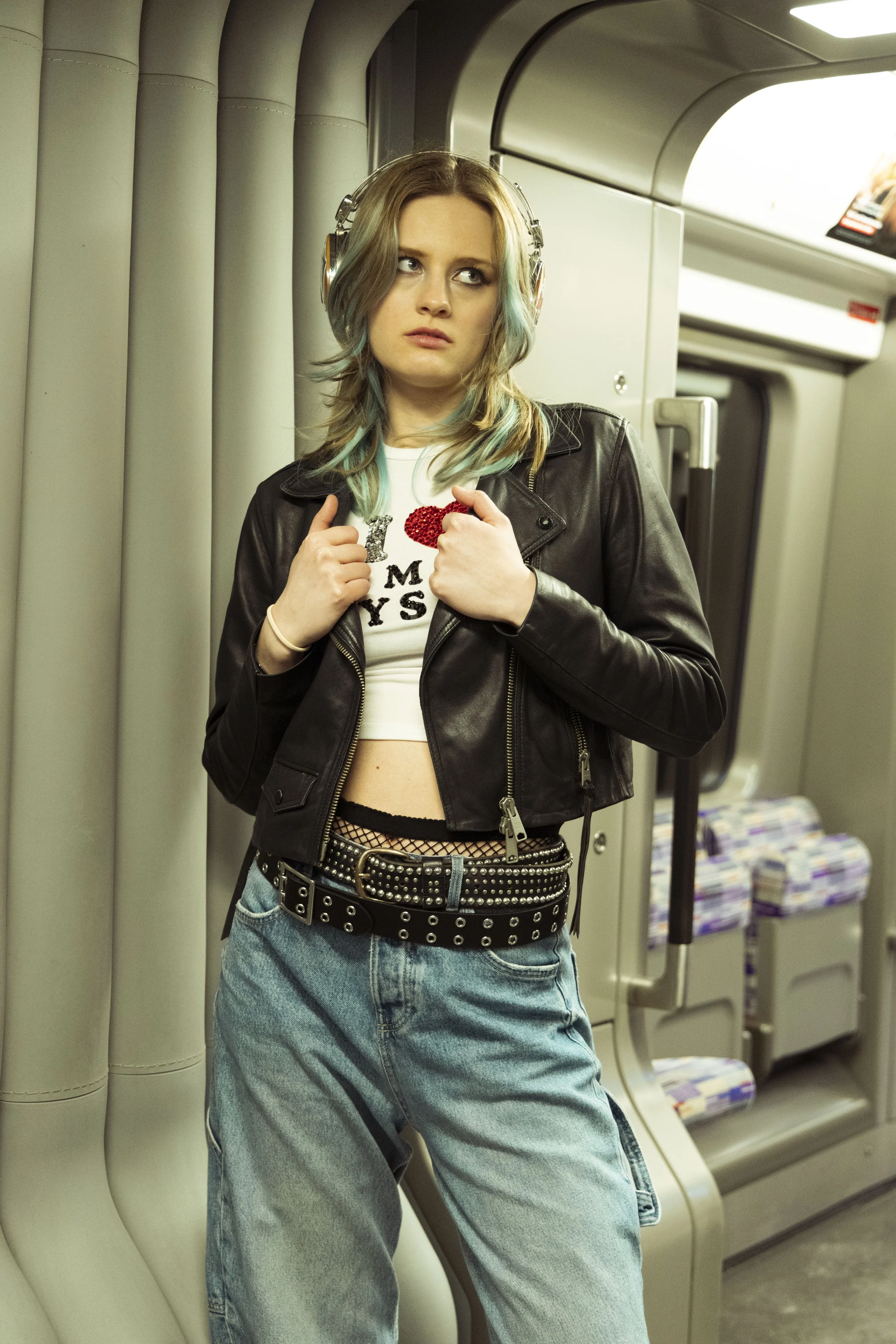
However, both conceptually and collaboratively, we chose to resist that. She wanted an image that felt human, imperfect, and emotionally accessible rather than overly manufactured. That decision influenced the visual direction — allowing softness, ambiguity, and emotional texture to remain instead of forcing a conventional polished narrative.
Overcoming that challenge meant trusting the process and prioritizing authenticity over perfection.
6. Looking at this body of work now, what do you think it says about the artist’s development, as well as your own development as a visual storyteller?
For the artist, it shows a very honest stage of development. She is not presented as a finished persona, but there is a separation now between who she is as a person, and who she is as a performer.
There is a duality in her image — she is relatable and emotionally grounded, yet still carries the aura of a star. That middle space was intentional and reflective of how she wanted to connect with her audience.
For me, it represents growth in my storytelling approach. I’ve become more interested in long-term process, listening, and emotional nuance rather than only creating visually striking final images. This project is less about perfection and more about documenting the evolution of identity over time, which aligns deeply with my practice as a visual storyteller.
-
In a culture that moves faster than reflection, where identity is shaped, shared, and judged in seconds, it feels quietly radical to pause and truly observe someone becoming. Becoming Sky traces that process. Not through social media or spectacle, but through real moments, real choices, and intentional artistic direction.
The editorial moves between performance and private life, following an emerging musician as she navigates the space between stage persona and personal identity. Rather than presenting a finished image, the work leans into process: doubt, fragility, rehearsal, and the small shifts that slowly form an artist’s sense of self. These images sit in the in between. Before certainty, before polish, before the world demands clarity. They reflect the quiet work of becoming, where identity is shaped long before it is performed.
The project was developed alongside her upcoming release, capturing a moment of transition where sound, image, and self are still taking shape. This is not a record of perfection, but of presence. A reminder that behind every constructed image is a person learning who they are, and that protecting authenticity is essential in a world that often judges women before they are truly seen.
-
Singer/Model: LIA SKY
Makeup Artist: Vinca Vanessa
Wardrobe Stylist/Creative Director/Makeup Artist/Retoucher/Diy Clothes/Photographer: Teresa Smeke
Helped Customed Diy/On-site Stylist: Yudi Wong
-
Blondie T-shirt sourced from Amazon, one-of-a-kind DIY piece customised by Teresa Smeke for Lia Sky.
Sweater and shorts by Jaded London. Shorts and tank top customised with added rhinestones by the stylist.
Bodysuit Skims, skirt pull and bear
T-shirt and shorts by Jaded London. T-shirt customised as a one-of-a-kind piece by Teresa Smeke for Lia Sky.
Jacket AllSaints, Belt Primark, Tee thrifted and customised as a one-of-a-kind piece by teresa smeke for Lia Sky. Jeans Stradivarius.
Blondie T-shirt sourced from Amazon, one-of-a-kind DIY piece customised by Teresa Smeke for Lia Sky.
Tee sourced from Amazon, one-of-a-kind DIY piece customised by Teresa Smeke for Lia Sky. Shorts from Jaded London and Belt from Primark.